

Saudi Arabia fosters e- and H2-mobility
Electric Vehicles (EV) are still rare in Saudi Arabia, yet by 2030, the amount of them could rise up to 1 to 2 million. A first factory for electric cars is under construction.
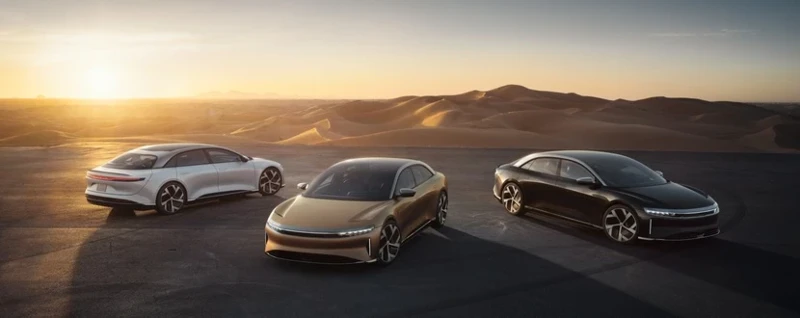
At this year's World Economic Forum in Davos, Saudi Arabia's Minister of Investment, Khalid Al Falih, announced the establishment of three EV production facilities in the Kingdom. While local production will initially serve domestic demand, in the medium- and long-run, the majority of Saudi-manufactured EVs could be exported.
Over 1 million electric vehicles until 2030
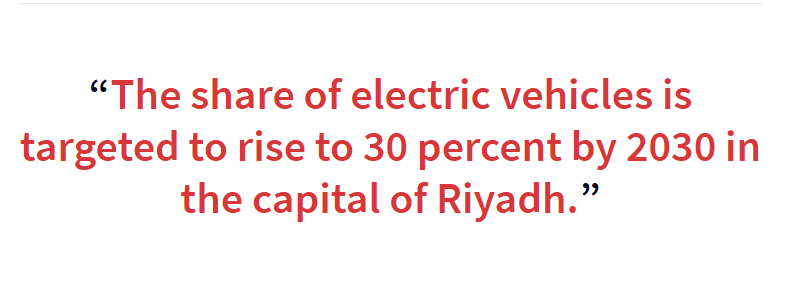
To date, the number of EVs (fully electric and hybrid plug-in models) registered in Saudi Arabia is estimated at only a few hundred, but the Kingdom's targets are very ambitious. In the capital of Riyadh the EV share is targeted to rise to 30 percent by 2030. According to official estimates, the current count of 2.7 million vehicles on Riyadh's highways is expected to exceed 3 million by 2030. To achieve a target of 30 percent, the EV share in Riyadh alone would have to rise to over 1 million.
SASO issues licensing regulations
In 2017, the Saudi Arabian Standards, Metrology and Quality Organization (SASO) banned the import of electric vehicles (EVs) due to the lack of a legislative regulation of the import. The first licensing r e q u i r e m e n t s were released in early 2018, with the publication of the "Technical Regulations for Electric Vehicles", applying to EVs up to 3.5 tons and maximum speeds from 25 kilometers per hour. However, commercial import of EVs remained prohibited until 2020. According to a 2021 study, the number of cars will rise to 16.5 million vehicles nationwide by 2030. Hence, an EV share of 5 percent would require 800,000 EVs; a 30 percent share 4.9 million EVs. Most forecasts expect the amount of EVs to range between 1 million and 2 million in 2030.