

Nio has taken part in a large-scale vehicle-to-grid (V2G) pilot in eastern China, using its battery swap stations to supply electricity back to the power grid as part of efforts to integrate electric vehicles into energy management systems.
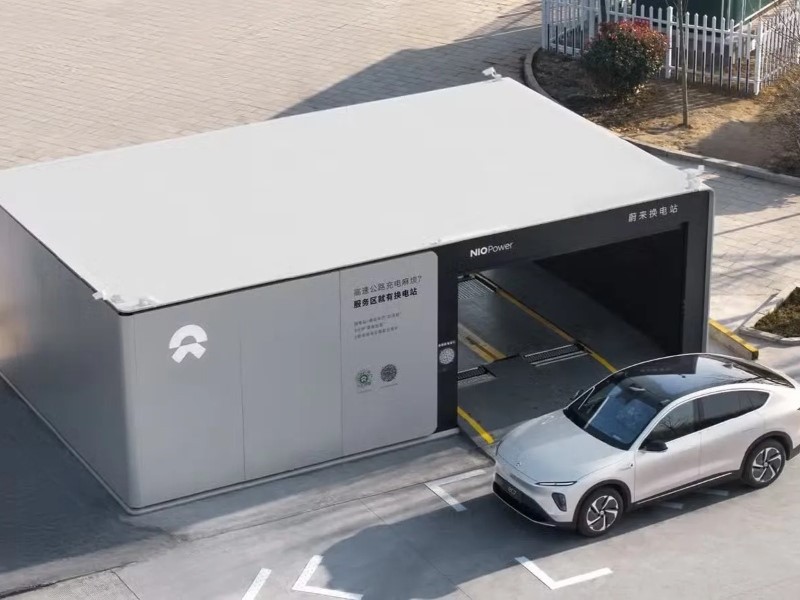
Six of Nio's fourth-generation battery swap stations were involved in the trial on Jan. 22 in Nanjing, the capital of Jiangsu, according to a social media post by GCL Energy Technology. The stations were upgraded with V2G capabilities by GCL and Nio ahead of the test.
During evening peak demand, the six stations delivered a combined peak power output of about 1,540 kilowatts, accounting for roughly 15% of the total electricity discharged during the trial, the companies said.
The pilot represented a significant expansion from a similar test conducted last year. The overall scale of the trial increased by about 80%, involving 70 energy facilities in total, including 56 charging stations and 14 battery swap stations equipped for bidirectional power flow.
Battery swap stations, which store large numbers of EV batteries on site, can also function as distributed energy storage assets, allowing them to support grid stability and frequency regulation during periods of high demand or supply imbalance.
Nio and GCL have previously worked together on energy-related projects. In late 2024, the two companies jointly launched Suzhou's first carbon-neutral battery swap station, according to GCL.
Nio has been exploring grid-interactive applications for its infrastructure for several years. The company began testing power discharge from battery swap stations to the grid in China in 2022. In November last year, it said its swap stations in Sweden had received approval to participate in local grid frequency regulation markets.
In January 2024, Nio also launched 10 V2G-enabled destination charging stations in Shanghai, marking its first deployment of such facilities in its headquarters city.