

Is the Middle East Ready to Shift Gears to Electric Vehicles?

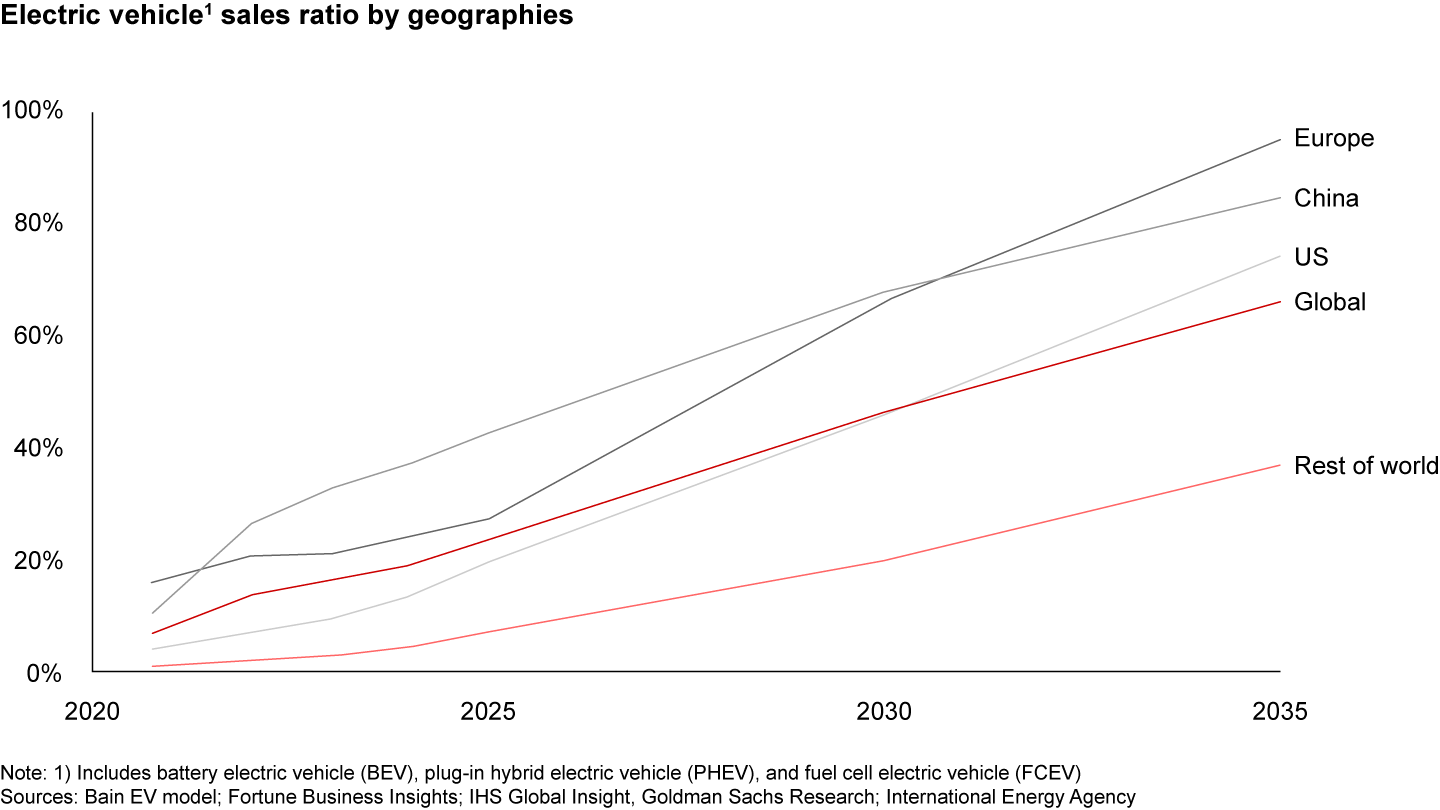
- The Middle East electric vehicle (EV) market is still in its early stages but could reach $54 billion by 2035, potentially making up nearly two-thirds of new car sales.
- Government actions through favorable policy-making are crucial to unlocking this growth. Meanwhile, early movers have a unique opportunity to establish a strong brand presence, secure prime locations for charging infrastructure, and attract the most valuable EV buyers.
- Key barriers to EV adoption are high prices, limited product offering that does not align with customer preferences, and insufficient charging infrastructure.
- Coordinated efforts from governments, carmakers, and dealerships are required to address these barriers and promote EV adoption growth.
- Bain & Company research identified three buyer personas: EV enthusiasts (~20%), EV explorers (~50%), and EV skeptics (~30%). Targeted initiatives for these personas need to be developed to stimulate EV adoption in the region.
The Middle East electric vehicle (EV) market is still in its early stages but could reach $54 billion by 2035, potentially making up nearly two-thirds of new car sales.
Government actions through favorable policy-making are crucial to unlocking this growth. Meanwhile, early movers have a unique opportunity to establish a strong brand presence, secure prime locations for charging infrastructure, and attract the most valuable EV buyers.
Key barriers to EV adoption are high prices, limited product offering that does not align with customer preferences, and insufficient charging infrastructure.
Coordinated efforts from governments, carmakers, and dealerships are required to address these barriers and promote EV adoption growth.
Bain & Company research identified three buyer personas: EV enthusiasts (~20%), EV explorers (~50%), and EV skeptics (~30%). Targeted initiatives for these personas need to be developed to stimulate EV adoption in the region.
Current state of EV adoption in the Middle East and its key drivers
EV adoption in the Middle East is still in its early stages. The United Arab Emirates (UAE) leads with a 3% EV penetration of new car sales, while other countries in the region are still below 1%. This shows both the challenges and significant opportunities ahead for the Middle East. Notably, between 20% and 35% of survey respondents across Middle Eastern countries are considering a BEV for their next vehicle purchase, underscoring the growing relevance of this topic for consumers and the potential for rapid market growth.
Bain & Company recently launched a consumer study to map the key EV adoption drivers from Middle East buyers' perspectives. Consumers recognize several KPCs, which can be categorized into four main pillars: product offering, total cost of ownership, technology, and infrastructure(see Figure 2).
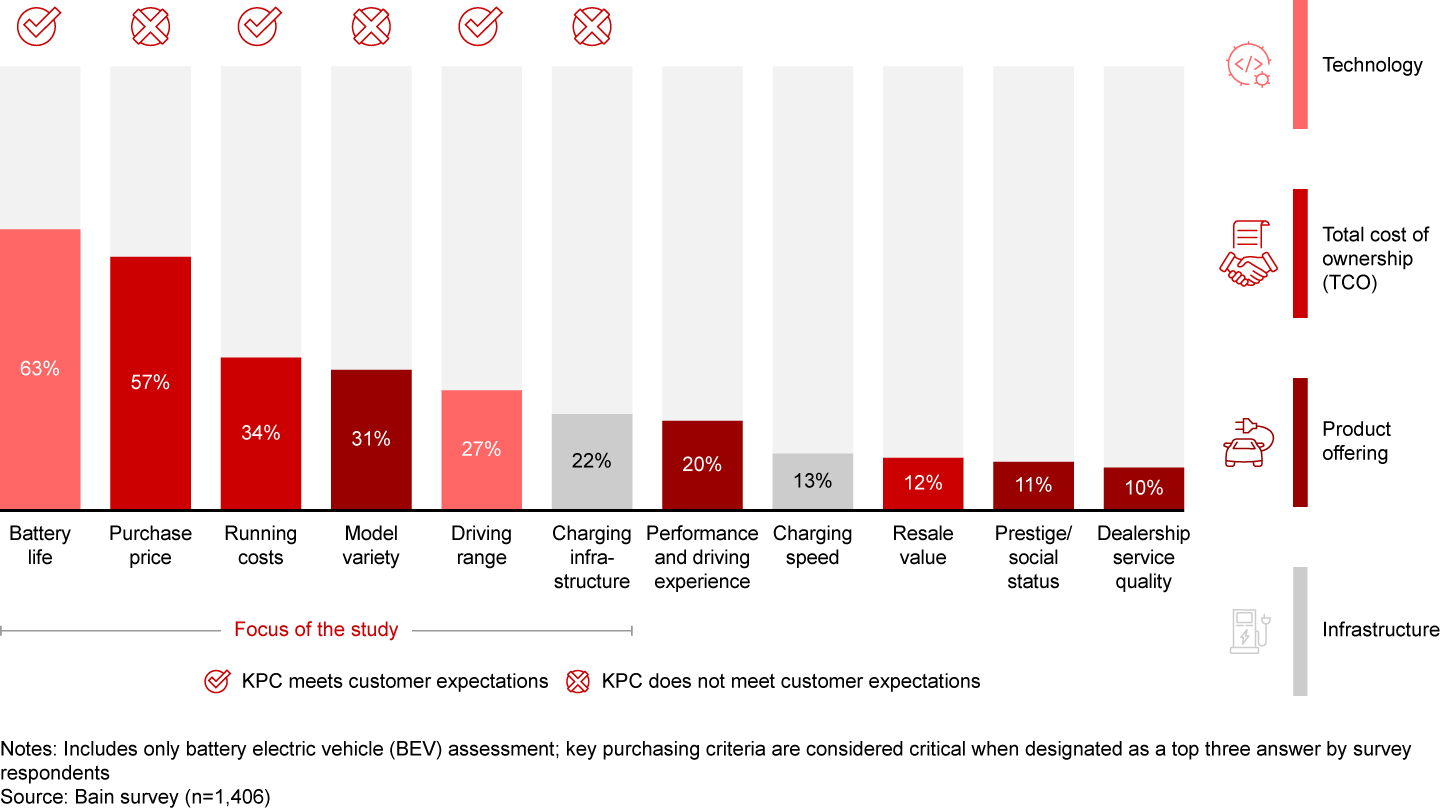
Understanding the differences between customer perception and reality across the top KPCs provides helpful insights into needed efforts to further drive EV adoption in the region.
KPCs that meet customer expectations
- Battery life and warranty: This tops the list of KPCs for EV buyers. More than 70% of respondents view EV manufacturers' offerings favorably. Leading brands offer up to eight-year battery warranties, which drives this positive sentiment.
- Running costs: Most Middle East consumers anticipate more than 40% savings on running costs when transitioning to EVs. Current market offerings meet or exceed these expectations, providing up to 65% savings, even in Gulf countries that enjoy subsidized fuel prices.
- Driving range: While range anxiety is still a major customer concern, EV models available in the Middle East effectively meet customer expectations. They offer driving ranges of 400 kilometers to more than 600 kilometers.