

As a supplier of gasoline engine vehicles, I often encounter questions from customers about the differences between gasoline engine vehicles and diesel engine vehicles. Understanding these differences is crucial for both consumers looking to purchase a vehicle and industry professionals. In this blog, I will delve into the key disparities between these two types of vehicles, covering aspects such as engine operation, performance, fuel efficiency, environmental impact, and maintenance.
Engine Operation
The fundamental difference between gasoline and diesel engines lies in their combustion processes. In a gasoline engine, a mixture of air and fuel is injected into the combustion chamber. The spark plug then ignites this mixture, causing a controlled explosion that drives the piston down and powers the engine. This is known as a spark - ignition process.
On the other hand, a diesel engine operates on a compression - ignition principle. Diesel fuel is injected directly into the highly compressed, hot air in the combustion chamber. The heat generated by the compression causes the diesel fuel to ignite spontaneously without the need for a spark plug. This difference in ignition systems has a profound impact on the overall performance and characteristics of the vehicles.
Performance
When it comes to performance, gasoline and diesel engines have distinct profiles. Gasoline engines are generally known for their high - revving capabilities. They can achieve higher RPM (revolutions per minute) than diesel engines, which allows them to produce more power at higher speeds. This makes gasoline engine vehicles, like many sports cars, well - suited for high - speed driving and quick acceleration.
Diesel engines, however, excel in low - end torque. Torque is the rotational force that enables a vehicle to move from a standstill and tow heavy loads. Diesel engines produce a large amount of torque at low RPMs, making them ideal for trucks, buses, and other heavy - duty vehicles. For example, a diesel - powered pickup truck can easily tow a large trailer or haul heavy cargo due to its superior low - end torque.
Fuel Efficiency
Fuel efficiency is an important consideration for most vehicle owners. Diesel engines are typically more fuel - efficient than gasoline engines. This is because diesel fuel has a higher energy density than gasoline, meaning it contains more energy per unit volume. Additionally, the compression - ignition process in diesel engines is more thermally efficient, which allows them to convert a greater percentage of the fuel's energy into mechanical work.
On average, diesel engine vehicles can achieve 20 - 30% better fuel economy than their gasoline counterparts, especially in highway driving conditions. However, in stop - and - go city traffic, the difference in fuel efficiency may be less pronounced due to the nature of diesel engines, which are optimized for continuous, steady - state operation.
Environmental Impact
The environmental impact of gasoline and diesel engine vehicles is a complex issue. Gasoline engines generally produce lower levels of nitrogen oxides (NOx) and particulate matter (PM) compared to diesel engines. However, they emit more carbon monoxide (CO) and hydrocarbons (HC), which are also harmful pollutants.
Diesel engines, on the other hand, are notorious for their high emissions of NOx and PM. These pollutants can contribute to air pollution, smog, and respiratory problems. In recent years, significant efforts have been made to reduce diesel engine emissions through the use of advanced emission control technologies, such as diesel particulate filters (DPF) and selective catalytic reduction (SCR) systems.
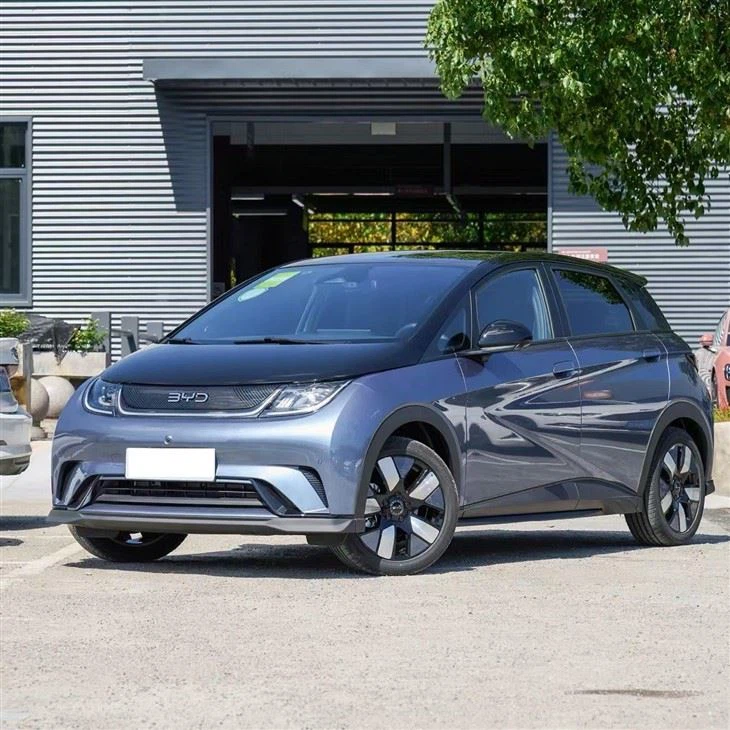

In addition to local air pollutants, both gasoline and diesel engines contribute to greenhouse gas emissions, primarily in the form of carbon dioxide (CO₂). As diesel engines are more fuel - efficient, they typically emit less CO₂ per mile traveled compared to gasoline engines.
Maintenance
Maintenance requirements also differ between gasoline and diesel engine vehicles. Gasoline engines are generally simpler in design and have fewer components related to the fuel injection and ignition systems. This often translates to lower maintenance costs and easier servicing. Spark plugs in gasoline engines need to be replaced periodically, usually every 30,000 - 100,000 miles, depending on the vehicle.
Diesel engines, however, have more complex fuel injection systems, which require higher - pressure fuel pumps and injectors. These components are more expensive to repair or replace. Diesel engines also require regular maintenance of the emission control systems, such as the DPF and SCR. Additionally, diesel fuel can be more prone to contamination, which may require more frequent fuel filter changes.
Market Trends and Future Outlook
In recent years, the automotive market has seen a shift towards alternative powertrain technologies, such as electric and hybrid vehicles. For instance, the Electric Coupe represents the growing trend of pure - electric vehicles, offering zero - emission driving and high - tech features. The SEA LION DMI PLUG - in Hybrid Electric vehicle and Leopard 5 2025 are examples of plug - in hybrid vehicles that combine the benefits of gasoline engines with electric power.
Despite the rise of alternative powertrains, gasoline and diesel engines will likely continue to play a significant role in the automotive industry for the foreseeable future. Gasoline engines are expected to remain popular in passenger cars, especially in markets where high - performance and affordability are key factors. Diesel engines will still be the preferred choice for heavy - duty applications, such as commercial trucks and buses.
Conclusion
In conclusion, gasoline and diesel engine vehicles have distinct differences in terms of engine operation, performance, fuel efficiency, environmental impact, and maintenance. Gasoline engines offer high - revving performance, lower emissions of NOx and PM, and relatively simple maintenance. Diesel engines, on the other hand, provide superior low - end torque, better fuel efficiency, and are well - suited for heavy - duty applications.
As a supplier of gasoline engine vehicles, I am committed to providing high - quality products that meet the diverse needs of our customers. Whether you are looking for a sporty car for daily commuting or a reliable vehicle for long - distance travel, our gasoline engine vehicles offer a combination of performance, comfort, and affordability.
If you are interested in learning more about our gasoline engine vehicles or would like to discuss a potential purchase, please feel free to contact us. We are always ready to assist you in finding the perfect vehicle for your needs.
References
- Heywood, J. B. (1988). Internal Combustion Engine Fundamentals. McGraw - Hill.
- Bosch Automotive Handbook (7th ed.). (2011). Robert Bosch GmbH.
- SAE International Standards and Publications. (Various years). Society of Automotive Engineers.