

As a dedicated supplier of Toyota plug-in vehicles, one of the most frequently asked questions I encounter is, "Can I charge my Toyota plug-in vehicle using a regular household outlet?" This query is quite understandable, as many potential buyers are concerned about the convenience and accessibility of charging their new vehicles. In this blog post, I'll delve into the details of charging Toyota plug-in vehicles with a regular household outlet, exploring the feasibility, limitations, and best practices.
Understanding Toyota Plug-in Vehicles
Before we discuss charging, let's briefly understand what Toyota plug-in vehicles are. Toyota offers a range of plug-in hybrid electric vehicles (PHEVs) that combine a gasoline engine with an electric motor and a rechargeable battery. These vehicles can run on electric power alone for a certain distance, reducing fuel consumption and emissions. One of the popular models in Toyota's plug-in lineup is the RAV 4 E+, which offers an impressive electric range and excellent fuel efficiency.
Charging with a Regular Household Outlet: The Basics
The short answer is yes, you can charge your Toyota plug-in vehicle using a regular household outlet. Most Toyota plug-in vehicles come with a standard charging cable, often referred to as a Level 1 charger, which can be plugged into a 120-volt household outlet. This is the simplest and most accessible way to charge your vehicle, as you can do it anywhere you have access to a regular electrical outlet, such as at home, work, or a friend's house.
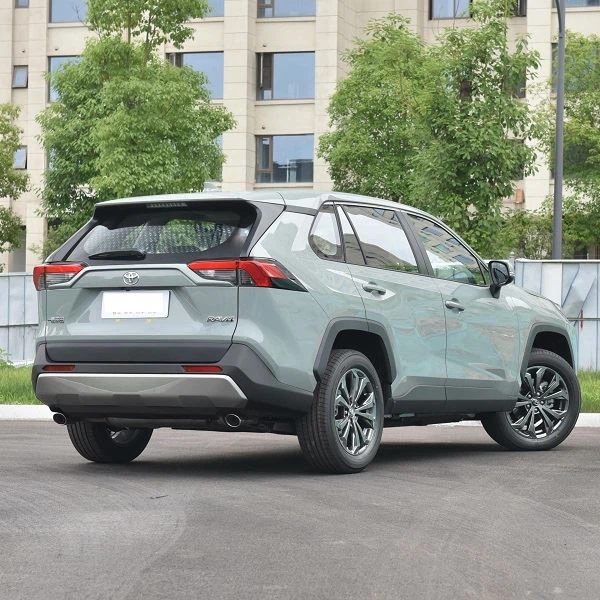

How Does It Work?
When you plug your Toyota plug-in vehicle into a regular household outlet using the Level 1 charger, the charger converts the alternating current (AC) from the outlet into direct current (DC) to charge the vehicle's battery. The charging process is relatively slow compared to other charging methods, but it's convenient for overnight charging or when you have plenty of time to top up your battery.
Advantages of Charging with a Regular Household Outlet
- Convenience: The biggest advantage of using a regular household outlet is the convenience. You don't need to install any special charging equipment or visit a charging station. You can simply plug in your vehicle and let it charge while you go about your daily activities.
- Cost-effective: Charging with a regular household outlet is also cost-effective, as you're using your existing electrical infrastructure. There's no need to invest in expensive charging equipment or pay for public charging stations.
- Universal Access: Since regular household outlets are available everywhere, you can charge your vehicle anywhere you have access to electricity. This gives you the flexibility to charge your vehicle at home, work, or while traveling.
Limitations of Charging with a Regular Household Outlet
- Slow Charging Speed: The main limitation of using a regular household outlet is the slow charging speed. Level 1 chargers typically provide a charging rate of around 2-5 miles of electric range per hour of charging. This means that it can take several hours or even overnight to fully charge your vehicle's battery.
- Limited Range: Due to the slow charging speed, using a regular household outlet may not be suitable for long-distance travel or when you need to quickly top up your battery. If you have a long commute or frequently travel long distances, you may need to consider other charging options.
- Electrical Capacity: Another limitation is the electrical capacity of your household outlet. Some older homes or buildings may not have the electrical capacity to handle the additional load of charging a vehicle. This can lead to circuit breakers tripping or other electrical issues.
Best Practices for Charging with a Regular Household Outlet
- Plan Ahead: If you're planning to use a regular household outlet to charge your vehicle, it's important to plan ahead. Make sure you have enough time to fully charge your vehicle's battery, especially if you have a long commute or need to travel long distances.
- Use a Dedicated Circuit: To avoid electrical issues, it's recommended to use a dedicated circuit for charging your vehicle. This means that the outlet you're using should not be shared with other high-power appliances, such as refrigerators, air conditioners, or washing machines.
- Check Your Electrical System: Before you start charging your vehicle, it's a good idea to check your electrical system to make sure it can handle the additional load. You may need to consult an electrician to assess your electrical capacity and make any necessary upgrades.
- Monitor Your Charging: While your vehicle is charging, it's important to monitor the charging process. Check the charging status regularly to make sure your vehicle is charging properly and that there are no issues.
Other Charging Options
While charging with a regular household outlet is convenient and cost-effective, it may not be suitable for everyone. If you need a faster charging speed or have a long commute, you may want to consider other charging options, such as:
- Level 2 Chargers: Level 2 chargers provide a faster charging speed than Level 1 chargers. They typically require a 240-volt electrical outlet, which is similar to the outlet used for a clothes dryer or an electric range. Level 2 chargers can provide a charging rate of around 10-60 miles of electric range per hour of charging, depending on the charger and your vehicle's battery capacity.
- DC Fast Chargers: DC fast chargers are the fastest charging option available. They can provide a charging rate of up to 80% of your vehicle's battery capacity in as little as 30 minutes. However, DC fast chargers are typically only available at public charging stations and may not be as widely available as Level 1 or Level 2 chargers.
Conclusion
In conclusion, charging your Toyota plug-in vehicle using a regular household outlet is a convenient and cost-effective way to charge your vehicle. It's suitable for overnight charging or when you have plenty of time to top up your battery. However, it's important to be aware of the limitations, such as the slow charging speed and the potential for electrical issues. If you need a faster charging speed or have a long commute, you may want to consider other charging options, such as Level 2 chargers or DC fast chargers.
If you're interested in purchasing a Toyota plug-in vehicle or have any questions about charging, I encourage you to contact us for more information. Our team of experts is here to help you find the right vehicle and charging solution for your needs.
References
- Toyota official website
- Industry reports on electric vehicle charging