

Hey there! As a supplier of pure electric vehicles (EVs), I often get asked if these cars are truly more environmentally friendly. Well, let's dive right into this hot topic and break it down.
First off, let's talk about the basics. Traditional gasoline - powered cars burn fossil fuels to run. When you fill up your gas tank and hit the road, your car's engine is essentially combusting gasoline, and this process releases a whole bunch of pollutants. Carbon monoxide, nitrogen oxides, particulate matter, and hydrocarbons are just some of the bad guys. These pollutants are linked to all sorts of health problems, like respiratory issues, heart disease, and even cancer. They also play a huge role in environmental problems such as air pollution, smog, and climate change.
On the other hand, pure electric vehicles don't have an internal combustion engine. They run on electricity stored in batteries. So, when you're driving an EV, there are zero tailpipe emissions. That means no carbon monoxide, no nitrogen oxides, and no particulate matter coming out of the back of your car. This is a massive win for local air quality, especially in big cities where traffic congestion is a real problem.
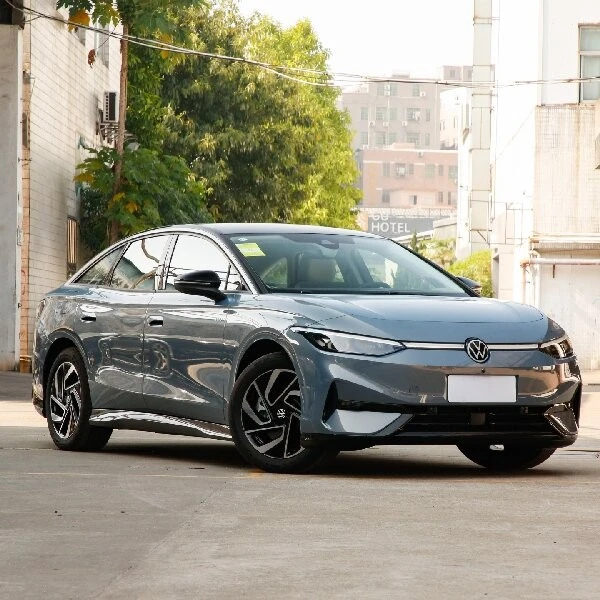

But it's not all sunshine and rainbows. The production of EVs, particularly the batteries, has its own environmental footprint. Manufacturing lithium - ion batteries, which are commonly used in EVs, requires a significant amount of energy. The mining of raw materials like lithium, cobalt, and nickel also has environmental impacts. There can be issues with water pollution, deforestation, and habitat destruction in the areas where these minerals are mined.
However, things are looking up. The battery production industry is constantly evolving. More and more manufacturers are looking into sustainable mining practices and ways to reduce the energy consumption during the battery - making process. Also, as the grid gets cleaner with the increasing use of renewable energy sources like solar, wind, and hydro, the overall environmental impact of charging an EV is going to decrease.
Let's take a look at some real - world examples. If you're in the market for an EV, you might be interested in the BYD Motors Electric Car. BYD is known for its innovative battery technology and has made significant strides in producing efficient and eco - friendly electric cars. Another option is the Volkswagen Luxury Sedan. Volkswagen has been ramping up its EV production and is committed to reducing the carbon footprint of its vehicles. And if you're curious about the cost, you can check out the Volkswagen Pure Electric Vehicle Price.
When it comes to the long - term environmental impact, EVs have an edge over gasoline cars. Once an EV is on the road, the savings in terms of emissions compared to a gasoline car are substantial. A study by the Union of Concerned Scientists found that even when accounting for the emissions from battery production, EVs produce less than half the global warming emissions of comparable gasoline cars over their lifetime.
One of the great things about EVs is their potential to be part of a larger energy - management system. With vehicle - to - grid (V2G) technology, EVs can not only draw power from the grid but also feed energy back into it. This can help balance the grid, especially during peak demand periods. For example, if there's a sudden surge in electricity usage in your neighborhood, your EV could contribute some of its stored energy back to the grid.
Another aspect to consider is the noise pollution. Gasoline cars are noisy, especially when they're idling or accelerating. EVs, on the other hand, are much quieter. This might seem like a small thing, but it can have a big impact on the quality of life in urban areas. Less noise means less stress and a more peaceful environment.
Now, let's talk about the cost - effectiveness of EVs. In the long run, EVs can save you money. Electricity is generally cheaper than gasoline, so your fuel costs are going to be lower. Maintenance costs are also typically lower because EVs have fewer moving parts compared to gasoline cars. There's no need for oil changes, and the brakes tend to last longer because of regenerative braking systems.
But what about range anxiety? This is a common concern for people thinking about switching to an EV. The fear of running out of charge before reaching your destination is real. However, the range of EVs has been steadily increasing. Many modern EVs can now travel over 200 miles on a single charge, which is more than enough for most daily commutes. And the charging infrastructure is expanding rapidly. There are more charging stations popping up all over the place, both at home and in public areas.
If you're still on the fence about whether an EV is the right choice for you, think about your driving habits. If you have a short commute, an EV could be a perfect fit. And even if you take longer trips, with proper planning and the growing charging network, you can make it work.
As a supplier of pure electric vehicles, I'm really excited about the future. The technology is improving, and the environmental benefits are becoming more and more clear. I believe that EVs are a crucial part of the solution to combat climate change and improve our quality of life.
If you're interested in learning more about our range of pure electric vehicles or have any questions about the environmental impact, don't hesitate to reach out. We're here to help you make an informed decision and find the perfect EV for your needs. Whether you're looking for a family car, a luxury sedan, or a compact city car, we've got you covered. Let's start a conversation about how you can be part of the green transportation revolution.
References
- Union of Concerned Scientists. "Electric Vehicles: A Cleaner Future."
- Various industry reports on battery production and EV manufacturing.