

Yo, what's up everyone! I'm a supplier in the pure electric vehicle (EV) game, and I've been getting a ton of questions about the safety record of these bad boys. So, I thought I'd sit down and break it all down for you.
Let's start with the basics. When it comes to safety, pure electric vehicles have come a long way in recent years. Just like traditional gas - powered cars, they have to meet a whole bunch of safety standards set by regulatory bodies. These standards cover everything from crashworthiness to electrical safety.
One of the big concerns people often have is about the battery. After all, EVs run on these big lithium - ion batteries, and there have been some reports of battery fires. But here's the deal: the chances of a battery fire in an EV are actually pretty low. In fact, studies have shown that the risk of a fire in a pure electric vehicle is comparable to, if not lower than, that of a traditional gasoline - powered car.

Manufacturers are constantly working on improving battery safety. They use advanced battery management systems to monitor the temperature, voltage, and state of charge of the batteries. These systems can detect potential problems early on and take steps to prevent them from turning into a big deal. For example, if the battery gets too hot, the system can adjust the charging rate or activate cooling mechanisms.
Another aspect of safety is crash safety. EVs are designed with strong frames and safety features just like regular cars. In fact, because the battery pack is usually located at the bottom of the vehicle, it can lower the center of gravity, which can improve stability and reduce the risk of roll - overs. Plus, many EVs come with advanced driver - assistance systems (ADAS) like automatic emergency braking, lane - keeping assist, and blind - spot monitoring. These features can help prevent accidents in the first place.
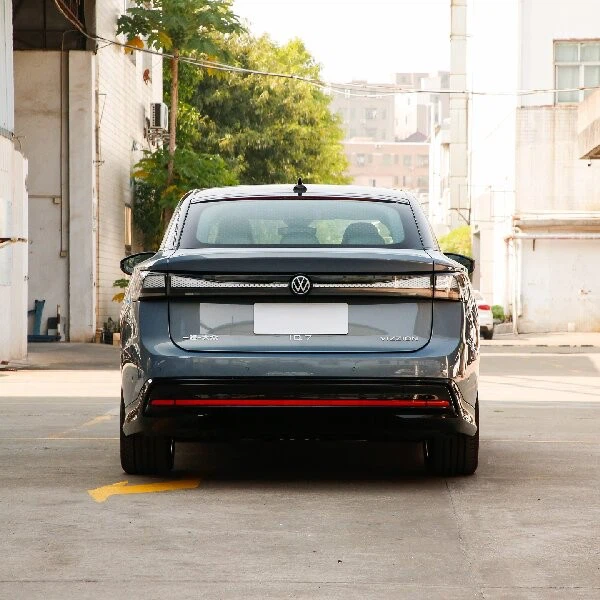
Now, let's talk about some specific models. Take the Volkswagen Luxury Sedan. This beauty is not only stylish but also packed with safety features. It has a rigid body structure that can absorb and distribute crash energy effectively. The ADAS in this car is top - notch, helping the driver avoid potential collisions.
Then there's the Frigate 07 Large five - seater plug - in hybrid SUV. Even though it's a plug - in hybrid, it shares many of the safety benefits of pure electric vehicles. The battery in this SUV is well - protected, and the vehicle has a comprehensive set of airbags and safety belts to keep the passengers safe in case of an accident.
And of course, we can't forget about the BYD Motors Electric Car. BYD is known for its innovation in battery technology, and their electric cars are no exception when it comes to safety. They have conducted extensive crash tests to ensure that their vehicles can withstand different types of impacts.
When it comes to electrical safety, EV manufacturers take extra precautions. The high - voltage electrical systems in these vehicles are insulated and protected to prevent electric shocks. There are also safety interlocks that cut off the power in case of an accident or a malfunction.
Another factor that contributes to the safety of pure electric vehicles is the lack of a traditional internal combustion engine. Without an engine, there's no risk of carbon monoxide poisoning, which is a serious concern in gas - powered cars. Also, EVs are generally quieter than gasoline cars, which can be a safety advantage in some situations. Pedestrians are more likely to hear an approaching EV, reducing the risk of accidents.
But it's not all sunshine and rainbows. There are still some challenges in improving the safety of pure electric vehicles. For example, as the range of EVs increases, the size of the battery packs also tends to get bigger. This can pose new challenges in terms of battery management and thermal safety. Also, the recycling and disposal of batteries need to be done safely to avoid environmental and safety hazards.
However, the industry is working hard to address these issues. Research is being done on new battery chemistries that are safer and more efficient. There are also initiatives to improve the infrastructure for battery recycling.
In conclusion, the safety record of pure electric vehicles is pretty solid. They meet high safety standards, and manufacturers are constantly innovating to make them even safer. Whether it's battery safety, crash safety, or electrical safety, EVs are a reliable and safe choice for consumers.
If you're in the market for a pure electric vehicle or if you're a business looking to add EVs to your fleet, I'd love to talk to you. We have a wide range of high - quality pure electric vehicles at competitive prices. Drop me a line, and we can start the conversation about how we can meet your needs.
References
- Various automotive safety reports from regulatory bodies
- Manufacturer's safety data sheets and brochures