

As a dedicated supplier of Toyota hybrid vehicles, I often find myself delving into the intricate details that make these cars stand out in the automotive market. One such detail that is frequently overlooked but holds significant importance is the curb weight of Toyota hybrid vehicles. In this blog post, I'll explore what curb weight means, why it matters, and how it varies across different Toyota hybrid models.
Understanding Curb Weight
Curb weight refers to the total weight of a vehicle with standard equipment, all necessary operating consumables such as oil, coolant, and a full tank of fuel, but without any passengers or cargo. It's a fundamental specification that provides insights into a vehicle's performance, efficiency, and handling characteristics.
For Toyota hybrid vehicles, the curb weight is influenced by several factors. The battery pack, a crucial component of hybrid technology, adds a significant amount of weight. Hybrid systems typically include a high - voltage battery, electric motors, and associated control systems, all of which contribute to the overall mass of the vehicle. Additionally, the size and type of the vehicle, as well as the materials used in its construction, play a role in determining the curb weight.
Why Curb Weight Matters in Toyota Hybrid Vehicles
Fuel Efficiency
In the world of hybrid vehicles, fuel efficiency is a top priority. A lighter vehicle generally requires less energy to move, which can lead to better fuel economy. Toyota engineers strive to balance the weight of the hybrid components with the overall vehicle design to optimize fuel efficiency. For example, by using lightweight materials in the body and chassis construction, they can offset some of the weight added by the battery and electric motor.
Performance
Curb weight also affects a vehicle's performance. A heavier vehicle may have slower acceleration and reduced agility compared to a lighter one. However, Toyota's hybrid technology often compensates for the additional weight with the instant torque provided by the electric motor. This allows for smooth and responsive acceleration, even in heavier hybrid models.
Safety
The curb weight of a vehicle can impact its safety. Heavier vehicles tend to have more momentum in a collision, which can be both an advantage and a disadvantage. On one hand, they may provide better protection for passengers in certain types of crashes. On the other hand, they may require more stopping distance. Toyota designs its hybrid vehicles with advanced safety features to mitigate these risks and ensure the safety of all occupants.
Curb Weight Across Different Toyota Hybrid Models
2025 Toyota Rav4 Hybrid
The 2025 Toyota Rav4 Hybrid Price is a popular compact SUV that combines practicality with hybrid efficiency. The curb weight of the 2025 Rav4 Hybrid typically ranges from around 3,600 to 3,800 pounds, depending on the trim level and optional features. This weight is relatively manageable for a vehicle of its size, allowing for good fuel economy and nimble handling. The Rav4 Hybrid's hybrid system, which includes a 2.5 - liter four - cylinder engine and an electric motor, provides a total system output of 219 horsepower, making it a capable and efficient choice for daily driving.
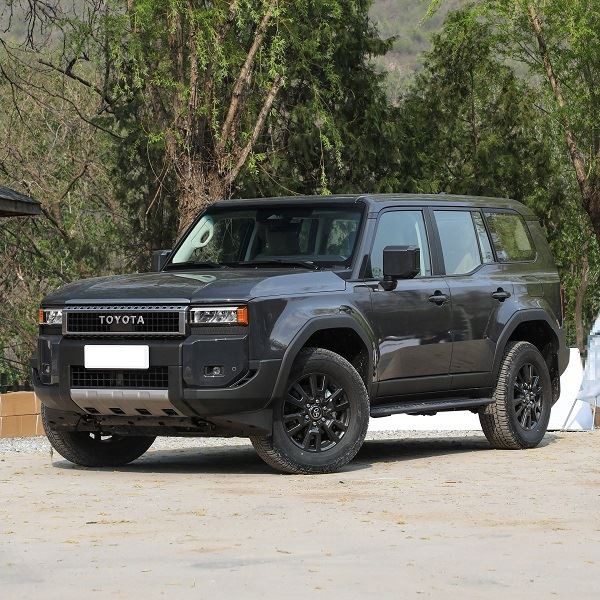
PRADO
The PRADO is a mid - size SUV known for its ruggedness and off - road capabilities. The hybrid version of the PRADO has a higher curb weight compared to the Rav4 Hybrid, typically in the range of 4,500 to 5,000 pounds. This is due in part to its larger size and more robust construction, which is designed to withstand the rigors of off - road driving. Despite its heavier weight, the PRADO hybrid offers excellent performance both on and off the road, thanks to its powerful hybrid powertrain and advanced four - wheel - drive system.

HIGHLANDER
The HIGHLANDER is a full - size SUV that provides ample space for passengers and cargo. The curb weight of the Highlander hybrid is in the ballpark of 4,300 to 4,600 pounds. This larger vehicle is equipped with a more powerful hybrid system, which includes a 2.5 - liter four - cylinder engine and two electric motors, delivering a total system output of 243 horsepower. The Highlander hybrid's weight is well - distributed, providing a stable and comfortable ride, even on long trips.
Impact of Curb Weight on Hybrid System Design
Toyota's engineers must carefully consider the curb weight when designing the hybrid system for each vehicle. A heavier vehicle requires a more powerful hybrid system to achieve the desired performance and efficiency. This may involve using a larger battery pack and more powerful electric motors. However, increasing the size and power of the hybrid components also adds more weight, creating a delicate balancing act.
To address this challenge, Toyota invests in research and development to improve the energy density of its batteries and the efficiency of its electric motors. By using advanced materials and technologies, they can reduce the weight of the hybrid components without sacrificing performance. For example, the latest generation of Toyota's hybrid batteries uses lithium - ion technology, which offers a higher energy density and lower weight compared to traditional nickel - metal hydride batteries.
Future Trends in Curb Weight for Toyota Hybrid Vehicles
As technology continues to evolve, we can expect to see further changes in the curb weight of Toyota hybrid vehicles. One trend is the increasing use of lightweight materials such as aluminum and carbon fiber in vehicle construction. These materials offer high strength - to - weight ratios, which can significantly reduce the overall weight of the vehicle without compromising safety or performance.
Another trend is the development of more efficient hybrid systems. Toyota is constantly working on improving the efficiency of its electric motors and battery management systems. By reducing the energy consumption of the hybrid components, they can potentially use smaller and lighter batteries, further reducing the curb weight of the vehicle.
Conclusion
The curb weight of Toyota hybrid vehicles is a complex and important factor that affects many aspects of their performance, efficiency, and safety. As a supplier, I have a deep appreciation for the engineering and design work that goes into balancing the weight of the hybrid components with the overall vehicle design. Whether it's the compact Rav4 Hybrid, the rugged PRADO, or the spacious Highlander, each Toyota hybrid model is carefully crafted to provide the best possible combination of performance, efficiency, and comfort.
If you're in the market for a Toyota hybrid vehicle and have questions about curb weight or any other aspect of these amazing cars, I'd be more than happy to assist you. Whether you're a fleet manager looking to add hybrid vehicles to your lineup or an individual consumer seeking a reliable and efficient car, I can provide you with the information and support you need. Contact me to start a conversation about your procurement needs and discover how Toyota hybrid vehicles can meet your requirements.
References
- Toyota official vehicle specifications
- Automotive industry research reports on hybrid vehicle technology
- Technical papers on lightweight materials in vehicle construction