

When it comes to the cost of running an IM pure electric vehicle, there are multiple factors at play. As a supplier of IM pure electric vehicles, I've had in - depth knowledge of these aspects and would like to share them with you.
Electricity Costs
The most obvious cost associated with running an electric vehicle is the cost of electricity. Unlike traditional gasoline - powered cars that rely on fuel, electric vehicles draw power from the electrical grid. The cost of charging an IM pure electric vehicle depends on several things: the battery capacity of the vehicle, the local electricity rate, and the charging method.
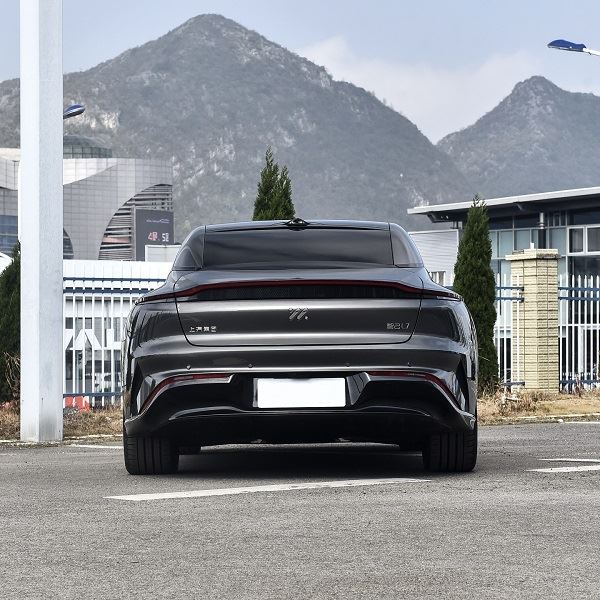
Let's take a look at some of our popular models. The IM LS7 comes with a relatively large battery capacity. A larger battery can store more energy, which means longer driving ranges but also requires more electricity to fully charge. If we assume an average electricity rate of $0.15 per kilowatt - hour (kWh) in the United States, and the IM LS7 has a battery capacity of around 100 kWh, a full charge would cost approximately $15.
The IM L7 and IM LS6 have different battery capacities. The IM L7 might have a battery capacity of around 90 kWh, so a full charge would cost about $13.5 at the same electricity rate. The IM LS6, with a potentially different battery configuration, say 80 kWh, would cost around $12 for a full charge.
However, it's important to note that electricity rates can vary significantly depending on the region. In some areas with high renewable energy penetration, electricity might be cheaper during off - peak hours. For example, in some states with a large amount of wind or solar power, the electricity rate during the middle of the night could be as low as $0.1 per kWh. This means that if you charge your IM electric vehicle during off - peak hours, you could save a substantial amount of money.
Maintenance Costs
One of the major advantages of electric vehicles is their lower maintenance costs compared to gasoline - powered cars. IM pure electric vehicles have fewer moving parts in their drivetrains. Traditional internal combustion engines have hundreds of moving parts, such as pistons, valves, and timing belts, which require regular maintenance and replacement.
In an IM electric vehicle, the electric motor is relatively simple and has fewer components that can wear out. There is no need for oil changes, spark plug replacements, or transmission fluid changes. Brake systems in electric vehicles also tend to last longer because of regenerative braking. Regenerative braking converts the kinetic energy of the vehicle into electrical energy when the brakes are applied, reducing the wear on the brake pads.
The cost of maintaining an IM electric vehicle mainly includes tire rotations, brake inspections, and occasional battery system checks. Tire rotations typically cost around $50 - $100 every 5,000 - 7,500 miles. Brake inspections might cost $50 - $150 per year, depending on the service provider. Battery system checks, which are recommended every few years, can cost anywhere from $100 - $300.
Overall, the annual maintenance cost of an IM pure electric vehicle is estimated to be around $300 - $500, which is significantly lower than the average annual maintenance cost of a gasoline - powered car, which can be upwards of $1,000.
Depreciation
Depreciation is another factor to consider when calculating the cost of running a vehicle. In the past, electric vehicles generally had higher depreciation rates compared to gasoline - powered cars. However, as the market for electric vehicles has grown and technology has improved, the depreciation rates of IM pure electric vehicles have become more competitive.
The IM brand's reputation for quality and advanced technology helps to maintain the resale value of its vehicles. The design, performance, and features of models like the IM LS7, IM L7, and IM LS6 make them attractive to second - hand buyers. On average, an IM pure electric vehicle might depreciate around 15% - 20% in the first year, which is comparable to many mid - range gasoline - powered cars.
Over a five - year period, the total depreciation of an IM electric vehicle could be around 40% - 50% of its original purchase price. This is an important consideration when calculating the long - term cost of ownership.
Insurance Costs
Insurance costs for IM pure electric vehicles are influenced by several factors. The cost of the vehicle itself, its safety features, and the likelihood of theft all play a role. IM electric vehicles are generally equipped with advanced safety features such as collision avoidance systems, lane - keeping assist, and adaptive cruise control. These features can reduce the risk of accidents, which in turn can lead to lower insurance premiums.
However, the high - tech components in IM electric vehicles, especially the battery, can also increase the cost of repairs in the event of an accident. Insurance companies take this into account when setting premiums. On average, the insurance cost for an IM pure electric vehicle is slightly higher than that of a similar - sized gasoline - powered car. It might cost around $1,200 - $1,500 per year, depending on your driving record, location, and other factors.
Tax Incentives and Rebates
Many governments around the world offer tax incentives and rebates for purchasing and running electric vehicles. These incentives are designed to encourage the adoption of clean - energy vehicles and reduce carbon emissions. In the United States, for example, there is a federal tax credit of up to $7,500 for the purchase of a new electric vehicle, including IM models.

Some states also offer additional incentives, such as rebates, reduced registration fees, or access to carpool lanes. These incentives can significantly offset the initial purchase price and long - term running costs of an IM pure electric vehicle.
Total Cost of Ownership
To calculate the total cost of ownership of an IM pure electric vehicle over a five - year period, we need to consider all the factors mentioned above. Let's assume you purchase an IM L7 for $50,000.
- Electricity Costs: If you drive 12,000 miles per year and the vehicle has an efficiency of 3 miles per kWh, you would need about 4,000 kWh of electricity per year. At an average electricity rate of $0.15 per kWh, the annual electricity cost would be $600. Over five years, this would amount to $3,000.
- Maintenance Costs: As mentioned earlier, the annual maintenance cost is around $300 - $500. Let's assume an average of $400 per year. Over five years, the total maintenance cost would be $2,000.
- Depreciation: If the vehicle depreciates 45% over five years, the depreciation cost would be $22,500.
- Insurance Costs: At $1,300 per year, the total insurance cost over five years would be $6,500.
After taking into account a $7,500 federal tax credit, the total cost of ownership over five years would be approximately $26,500. This cost is competitive when compared to the total cost of ownership of a similar - sized gasoline - powered car, especially when considering the environmental benefits and lower long - term running costs.
Conclusion
Running an IM pure electric vehicle has a variety of costs associated with it, including electricity, maintenance, depreciation, insurance, and potential tax incentives. While there are upfront costs and some factors that might seem more expensive at first glance, such as insurance, the overall cost of ownership over the long term is often comparable or even lower than that of a gasoline - powered car.
If you're considering purchasing an IM pure electric vehicle, I encourage you to reach out to us for more detailed information. We can provide you with personalized cost estimates based on your specific driving habits and location. Whether you're interested in the IM LS7, IM L7, or IM LS6, we're here to assist you in making an informed decision. Contact us to start the procurement negotiation process today and experience the benefits of driving an IM pure electric vehicle.
References
- "Electric Vehicle Cost Analysis" - U.S. Department of Energy
- "Automotive Insurance Trends" - Insurance Information Institute
- "Vehicle Depreciation Studies" - Kelley Blue Book