

As a supplier for Zeeker pure electric vehicles, I've had the privilege of delving deep into the intricate workings of their climate control systems. These systems are not just about keeping the cabin at a comfortable temperature; they are a marvel of modern engineering, designed to optimize energy efficiency, enhance passenger comfort, and integrate seamlessly with the vehicle's overall architecture.
The Basics of Climate Control in Electric Vehicles
Before we dive into the specifics of Zeeker's climate control system, it's important to understand the fundamental differences between climate control in electric vehicles (EVs) and traditional internal combustion engine (ICE) vehicles. In ICE vehicles, the engine generates a significant amount of waste heat, which can be used to warm the cabin during cold weather. In contrast, EVs do not have an engine to produce this waste heat, so they rely on dedicated heating systems. Similarly, cooling in both types of vehicles requires energy, but EVs need to manage their battery - powered energy consumption more carefully to preserve range.
Zeeker's Approach to Heating
Zeeker's climate control system uses a combination of technologies to provide efficient heating. One of the key components is the positive temperature coefficient (PTC) heater. A PTC heater is a type of electric heater that has a self - regulating temperature characteristic. As the temperature of the heater increases, its resistance also increases, which limits the current flow and prevents overheating. This makes PTC heaters relatively safe and energy - efficient.
In addition to PTC heaters, Zeeker also employs a heat pump system in some of its models, such as the ZEEKER 007. A heat pump works by transferring heat from one place to another. In the winter, it extracts heat from the outside air (even at low temperatures) and transfers it into the vehicle's cabin. This process is much more energy - efficient than using a PTC heater alone, as it can provide up to three times more heat energy for the same amount of electrical energy consumed.
The heat pump system in Zeeker vehicles is designed to work in a wide range of temperatures. It uses advanced refrigerant technology and a sophisticated control algorithm to ensure optimal performance. For example, when the outside temperature drops below a certain threshold, the system can automatically switch to a combination of PTC heating and heat pump operation to maintain a comfortable cabin temperature.
Cooling Mechanisms
When it comes to cooling, Zeeker's climate control system uses a traditional vapor - compression refrigeration cycle. This cycle consists of four main components: a compressor, a condenser, an expansion valve, and an evaporator. The compressor compresses the refrigerant gas, increasing its temperature and pressure. The hot, high - pressure gas then flows through the condenser, where it releases heat to the outside air and condenses into a liquid.
The liquid refrigerant then passes through the expansion valve, which reduces its pressure and temperature. As the cold, low - pressure refrigerant enters the evaporator, it absorbs heat from the cabin air, cooling it down. The cooled air is then circulated back into the cabin using a blower fan.
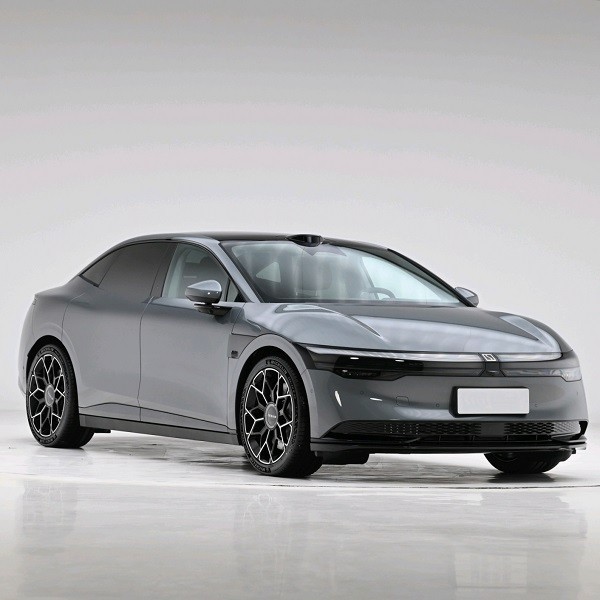
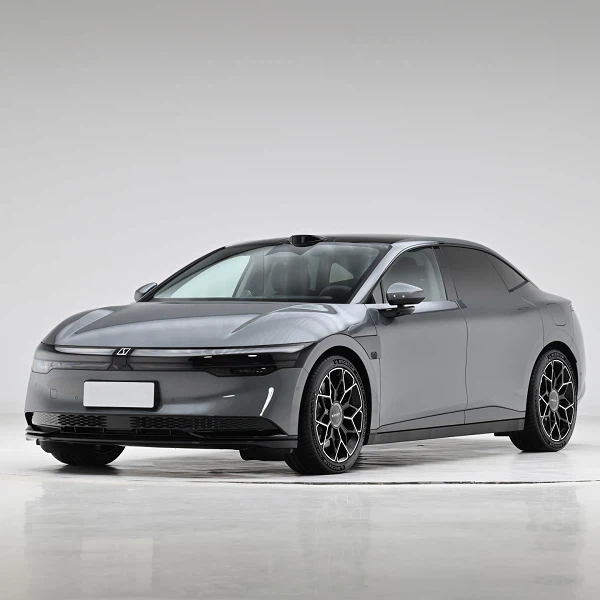
Zeeker has optimized the design of its cooling system to improve energy efficiency. For instance, the compressor in Zeeker vehicles is often an electric compressor, which can be precisely controlled to match the cooling demand. This means that the compressor only operates at the necessary speed, reducing energy consumption.
Integration with the Vehicle's Systems
Zeeker's climate control system is not an isolated component; it is fully integrated with the vehicle's other systems. For example, it communicates with the battery management system to ensure that the battery is kept at an optimal temperature. Extreme temperatures can have a negative impact on battery performance and lifespan, so the climate control system can adjust the temperature around the battery to maintain its health.
The system also interacts with the vehicle's infotainment system. Passengers can control the climate settings, such as temperature, fan speed, and air distribution, through the touchscreen interface. In addition, some Zeeker models, like the ZEEKER 007 Electric Car, support remote climate control. This means that users can pre - heat or pre - cool the cabin using their smartphones before getting into the car, ensuring a comfortable environment from the moment they enter.
Air Quality Management
Another important aspect of Zeeker's climate control system is air quality management. The system is equipped with a high - efficiency particulate air (HEPA) filter, which can remove a large percentage of dust, pollen, and other airborne particles from the cabin air. This is especially beneficial for passengers with allergies or respiratory problems.
In addition, Zeeker vehicles may also feature an air purification system that can neutralize harmful gases and odors. Some models use negative ion generators to improve air quality by attaching to and removing charged particles from the air.
Energy Efficiency and Range Optimization
Energy efficiency is a top priority for Zeeker when it comes to the climate control system. By using advanced heating and cooling technologies, such as heat pumps and electric compressors, the system can reduce the energy consumption associated with climate control. This, in turn, helps to extend the vehicle's driving range.
Zeeker also employs intelligent energy management strategies. For example, the system can adjust the climate settings based on the vehicle's speed, battery state of charge, and outside temperature. If the battery is running low, the system may automatically reduce the heating or cooling power to conserve energy.
Case Study: ZEEKER 001
The ZEEKER 001 is a great example of how Zeeker's climate control system works in a real - world scenario. It combines a heat pump for efficient heating, an electric compressor for cooling, and a comprehensive air quality management system.
In cold weather, the heat pump in the ZEEKER 001 can extract heat from the outside air even at temperatures as low as - 10°C. This allows the vehicle to maintain a comfortable cabin temperature without consuming excessive energy. During the summer, the electric compressor in the cooling system can quickly cool down the cabin while minimizing energy usage.
The ZEEKER 001 also offers a high - level of user control. Passengers can customize the climate settings according to their preferences, and the vehicle's intelligent system can learn these preferences over time to provide a more personalized experience.
Conclusion
Zeeker's pure electric vehicle climate control system is a complex and advanced piece of technology. It combines efficient heating and cooling mechanisms, seamless integration with other vehicle systems, and effective air quality management to provide a comfortable and energy - efficient driving experience.
As a supplier, I'm proud to be part of the team that contributes to the development of these innovative systems. If you're interested in learning more about our products or are considering a purchase for your business, we'd love to have a discussion with you. Whether you're looking for a high - performance climate control system for a single vehicle or a large - scale supply for a fleet, we have the expertise and solutions to meet your needs. Reach out to us to start the procurement negotiation process and take advantage of the latest in electric vehicle climate control technology.
References
- SAE International. "Thermal Management in Electric and Hybrid Electric Vehicles."
- Society of Automotive Engineers. "Climate Control Systems for Electric Vehicles: Design and Optimization."
- International Journal of Automotive Technology. "Energy - Efficient Climate Control Strategies for Electric Vehicles."