

Hey there! I'm a supplier for Wuling pure electric vehicles, and I'm super excited to dive into how the battery management system (BMS) of these amazing cars works. It's like the brain of the electric vehicle, making sure everything runs smoothly and efficiently.
First off, let's talk about why the BMS is so crucial. In an electric vehicle, the battery is the heart, and the BMS is what keeps it healthy and performing at its best. It's responsible for monitoring, controlling, and protecting the battery pack. Without a good BMS, the battery could overheat, overcharge, or discharge too quickly, which would not only reduce its lifespan but also pose a safety risk.
So, how does it actually work? Well, the BMS starts by constantly monitoring the battery's state of charge (SOC), state of health (SOH), and temperature. The SOC tells us how much charge is left in the battery, kind of like the fuel gauge in a traditional car. The SOH, on the other hand, gives us an idea of the battery's overall health and how well it's performing over time. And the temperature is important because batteries work best within a certain temperature range. If it gets too hot or too cold, the battery's performance can be affected.
To measure these parameters, the BMS uses a bunch of sensors placed throughout the battery pack. These sensors collect data on voltage, current, and temperature and send it to the BMS controller. The controller then processes this data and uses it to make decisions about how to manage the battery.
One of the key functions of the BMS is to control the charging and discharging process. When you plug your Wuling pure electric vehicle into a charger, the BMS makes sure that the battery is charged at the right rate and voltage. It also prevents overcharging, which can damage the battery. During discharging, the BMS monitors the battery's voltage and current to make sure that it doesn't discharge too quickly or too deeply. This helps to extend the battery's lifespan and ensure that you get the most out of each charge.
Another important function of the BMS is to balance the cells in the battery pack. Batteries are made up of multiple cells connected in series and parallel, and over time, these cells can become unbalanced. This means that some cells may have more charge than others, which can lead to reduced performance and a shorter lifespan. The BMS uses a process called cell balancing to equalize the charge in each cell, making sure that they all work together efficiently.
The BMS also plays a crucial role in protecting the battery from overheating. As I mentioned earlier, batteries work best within a certain temperature range, and if they get too hot, it can cause damage. The BMS monitors the temperature of the battery pack and uses a cooling system to keep it within the optimal range. This can include air cooling, liquid cooling, or a combination of both.
In addition to all these functions, the BMS also provides important information to the driver. It displays the battery's SOC, SOH, and temperature on the dashboard, so you always know how much charge you have left and how your battery is performing. It can also send alerts if there's a problem with the battery, such as a low charge or a high temperature.
Now, let's take a look at some of the specific features of the Wuling pure electric vehicle's BMS. Wuling uses advanced technology and algorithms to ensure that its BMS is reliable, efficient, and safe. For example, the BMS uses a high-precision sensor system to accurately measure the battery's parameters, and it has a built-in self-diagnostic function to detect and troubleshoot any problems.
The BMS also has a smart charging management system that can optimize the charging process based on the battery's state and the charging infrastructure. This means that you can charge your vehicle faster and more efficiently, without damaging the battery.
Another great feature of the Wuling BMS is its long-term durability. Wuling has conducted extensive testing and validation to ensure that its BMS can withstand the rigors of daily use and provide reliable performance over the life of the vehicle.
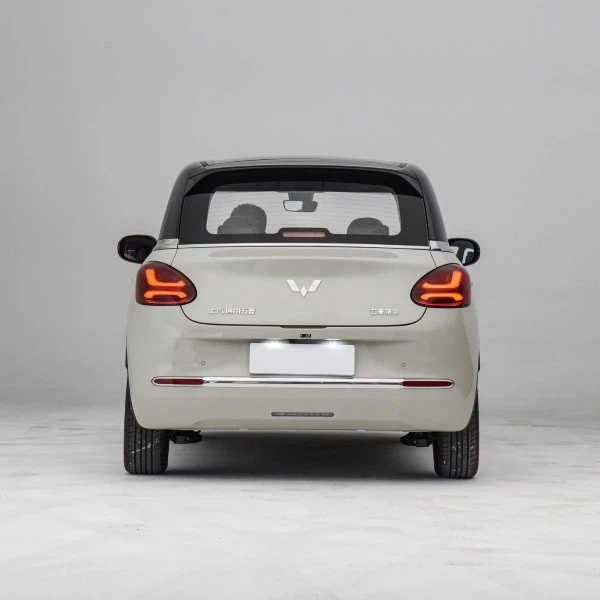
If you're in the market for a pure electric vehicle, I highly recommend checking out the Wuling lineup. They offer a range of Small Electric Car models, including the 5 doors 4 seats Hatchback Wuling Bingo Affordable Price, which are not only stylish and practical but also offer excellent performance and range. And with the advanced battery management system, you can be confident that your vehicle's battery will last for years to come.
And if you're interested in learning more about our products or are thinking about purchasing a Wuling pure electric vehicle, we'd love to hear from you. Whether you're a dealer looking to expand your inventory or an individual in the market for a new car, we're here to help. Just reach out, and we can start a conversation about how we can meet your needs.
When it comes to pricing, you can check out the Small EV Car Price on our website to get an idea of what fits your budget. We believe in offering high-quality vehicles at competitive prices, and our BMS technology is just one of the many features that make our cars a great value.
So, don't hesitate to get in touch. Let's talk about how you can become part of the Wuling pure electric vehicle family. Whether you have questions about the battery management system, the vehicle's features, or the purchasing process, we're here to provide all the information you need.
In conclusion, the battery management system is a critical component of any pure electric vehicle, and the Wuling pure electric vehicle's BMS is a prime example of advanced technology and innovation. It ensures that the battery is safe, reliable, and efficient, providing a great driving experience for years to come. So, if you're looking for a high-quality pure electric vehicle, look no further than Wuling.

References
- Battery Management Systems for Electric Vehicles: Principles and Applications by Xiong Rui, He Hongwen, and Sun Fengchun
- Electric Vehicle Battery Management Systems: A Review by Zhenjiang Li, Jing Wang, and Fengchun Sun
- Fundamentals of Electric Vehicle Propulsion by Mehrdad Ehsani, Yimin Gao, and Ali Emadi