

As a supplier for Lixiang pure electric vehicles, I've had the privilege of delving deep into the intricate details of their body structure design, especially when it comes to ensuring safety. In this blog, I'll share insights into how Lixiang's body structure plays a crucial role in safeguarding passengers and enhancing overall vehicle safety.

The Foundation of Safety: High - Strength Materials
One of the fundamental aspects of Lixiang's body structure is the extensive use of high - strength materials. These materials form the backbone of the vehicle, providing it with the necessary rigidity and durability to withstand various impacts. For instance, advanced high - strength steel is employed in critical areas such as the A - pillars, B - pillars, and the floor pan.
The A - pillars, located on either side of the windshield, are designed to protect the occupants from frontal impacts. High - strength steel ensures that they remain intact even under significant force, preventing the collapse of the windshield area and maintaining the structural integrity of the cabin. Similarly, the B - pillars, which separate the front and rear doors, are crucial for side - impact protection. They help distribute the energy from a side collision across the vehicle's structure, reducing the risk of intrusion into the passenger compartment.
The floor pan, made of high - strength materials, also serves multiple purposes. It not only provides a stable base for the vehicle but also helps in channeling crash energy away from the passengers. In the event of a frontal or rear - end collision, the floor pan can act as a guide, directing the energy towards the vehicle's crumple zones, which are designed to absorb and dissipate the impact.
Crumple Zones: Absorbing and Dissipating Energy
Lixiang pure electric vehicles are equipped with well - designed crumple zones at the front and rear of the vehicle. These zones are engineered to deform in a controlled manner during a collision, absorbing a significant portion of the impact energy.
At the front of the vehicle, the crumple zone consists of a series of carefully designed structures, including the front bumper beam, the crash boxes, and the longitudinal members. When the vehicle experiences a frontal impact, the front bumper beam first makes contact with the object. The crash boxes, which are located between the bumper beam and the longitudinal members, are designed to collapse in a specific pattern. This collapse absorbs energy and slows down the rate of deceleration of the vehicle. The longitudinal members then further channel the remaining energy towards the rest of the vehicle's structure, ensuring that it is distributed evenly.
At the rear, a similar crumple zone design helps protect the vehicle and its passengers in case of a rear - end collision. By absorbing and dissipating the energy, the crumple zones reduce the forces transferred to the passenger compartment, minimizing the risk of injury to the occupants.
Battery Safety and Body Structure Integration
For pure electric vehicles, battery safety is of utmost importance. Lixiang has integrated the battery pack into the body structure in a way that enhances both the vehicle's overall safety and the battery's protection.
The battery pack is typically located under the floor of the vehicle. The body structure around the battery is reinforced to protect it from external impacts. For example, a strong frame surrounds the battery pack, which helps prevent damage in the event of a side collision or a ground impact. Additionally, the body structure is designed to isolate the battery from the rest of the vehicle in case of a fire or other battery - related issues.
Moreover, the body structure also plays a role in managing the thermal aspects of the battery. It can provide a pathway for heat dissipation, ensuring that the battery operates within a safe temperature range. This is crucial for maintaining the performance and longevity of the battery, as well as for preventing thermal runaway, which can be extremely dangerous.
Passive Safety Features and Body Structure
Lixiang pure electric vehicles are equipped with a range of passive safety features that are closely integrated with the body structure. Airbags, for example, are strategically placed throughout the vehicle. The body structure is designed to support the deployment of airbags and ensure that they function effectively.
The dashboard and steering wheel are designed to accommodate the front - airbags. The body structure around these areas is reinforced to prevent the airbags from being blocked or damaged during deployment. Side - airbags are also integrated into the seats and the door panels, and the body structure of the doors is engineered to provide a stable base for their operation.
Seat belts are another essential passive safety feature. The body structure is designed to anchor the seat belts securely. Strong mounting points are provided for the seat belts, ensuring that they can withstand the forces exerted during a collision and effectively restrain the occupants.
Active Safety and Body Structure Synergy
In addition to passive safety features, Lixiang's pure electric vehicles also incorporate active safety systems that work in synergy with the body structure. These systems include collision avoidance systems, lane - keeping assist, and automatic emergency braking.
The body structure provides a stable platform for the sensors and cameras used in these active safety systems. For example, the front - facing cameras and radar sensors are mounted on the vehicle's body in a way that allows them to have a clear view of the road ahead. The body structure is designed to protect these sensors from damage due to impacts or environmental factors.
The data collected by these sensors is used to detect potential collisions and take preventive actions. In some cases, the active safety systems can even trigger the vehicle's crumple zones to start deforming earlier, further enhancing the vehicle's ability to absorb impact energy.
Case Study: LIXIANG MEGA
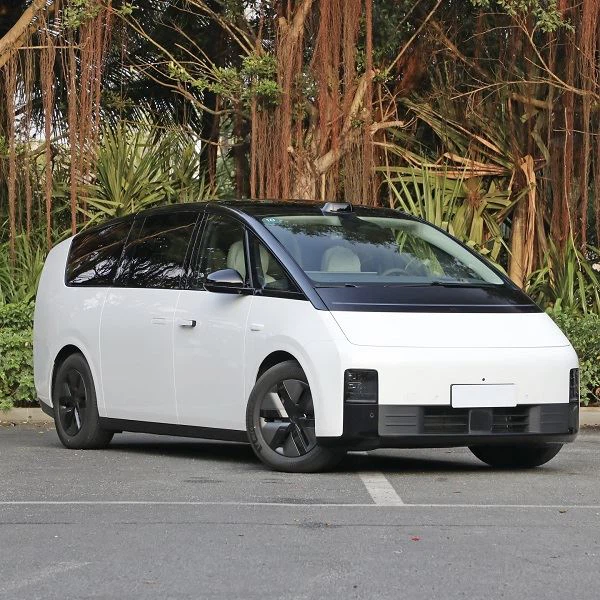
The LIXIANG MEGA is a prime example of how Lixiang's body structure design ensures safety. This vehicle combines all the safety features mentioned above in a comprehensive manner.
The use of high - strength materials in its body construction provides a solid foundation. The crumple zones are carefully engineered to handle different types of collisions. The battery pack is well - protected within the body structure, and the passive and active safety features work together seamlessly.
In crash tests, the LIXIANG MEGA has demonstrated excellent performance. The body structure has effectively absorbed and dissipated energy, protecting the passengers and maintaining the integrity of the cabin.
Conclusion
In conclusion, Lixiang's pure electric vehicle body structure is a masterpiece of engineering when it comes to ensuring safety. Through the use of high - strength materials, well - designed crumple zones, battery safety integration, and the synergy of passive and active safety features, Lixiang vehicles provide a high level of protection for their occupants.
As a supplier, I'm proud to be part of this innovative process. If you're interested in learning more about our products or are considering a partnership for procurement, I encourage you to reach out. We can have in - depth discussions about how our components can contribute to the safety and performance of your vehicle projects.
References
- Automotive Safety Engineering Handbook
- Research papers on electric vehicle safety from leading automotive research institutions.