

As a long - standing supplier for Toyota hybrid vehicles, I've had the privilege of delving deep into the intricate mechanics of these remarkable machines. One of the most fascinating aspects of Toyota's hybrid technology is how it operates during coasting, a phase that showcases the brand's commitment to efficiency and innovation.
Understanding Coasting in Hybrid Vehicles
Coasting occurs when a vehicle is moving forward without the driver applying the accelerator or the brakes. In a traditional gasoline - powered vehicle, this is a phase where the engine is still running, consuming fuel even though it's not actively propelling the vehicle. However, in Toyota hybrid vehicles, coasting is a unique opportunity to optimize energy use and enhance overall efficiency.
The Core Components of Toyota's Hybrid System
Before we dive into how the hybrid system works during coasting, it's essential to understand its key components. Toyota's hybrid system typically consists of a gasoline engine, an electric motor, a power split device, and a high - voltage battery.
The gasoline engine provides power to drive the wheels and can also recharge the battery. The electric motor, on the other hand, can either assist the engine during acceleration or operate independently at lower speeds. The power split device is a crucial element that distributes power between the engine, the electric motor, and the wheels. The high - voltage battery stores electrical energy generated by the engine and during regenerative braking.
How the Hybrid System Operates During Coasting
When a Toyota hybrid vehicle enters the coasting phase, several things happen simultaneously to maximize efficiency.
Engine Shutdown
In many cases, during coasting, the gasoline engine shuts down. This is a significant advantage as it eliminates unnecessary fuel consumption. Since the vehicle is already in motion and doesn't require additional power from the engine, shutting it off conserves fuel. For example, in the Toyota Hybrid Electric Suv, when the driver releases the accelerator pedal on a flat road or a gentle downhill slope, the engine will often turn off automatically.
Regenerative Braking Activation
Even during coasting, the vehicle may experience a natural slowdown due to factors such as air resistance and road friction. Toyota's hybrid system takes advantage of this by activating regenerative braking. The electric motor, which now acts as a generator, converts the kinetic energy of the moving vehicle into electrical energy. This electrical energy is then stored in the high - voltage battery for later use.
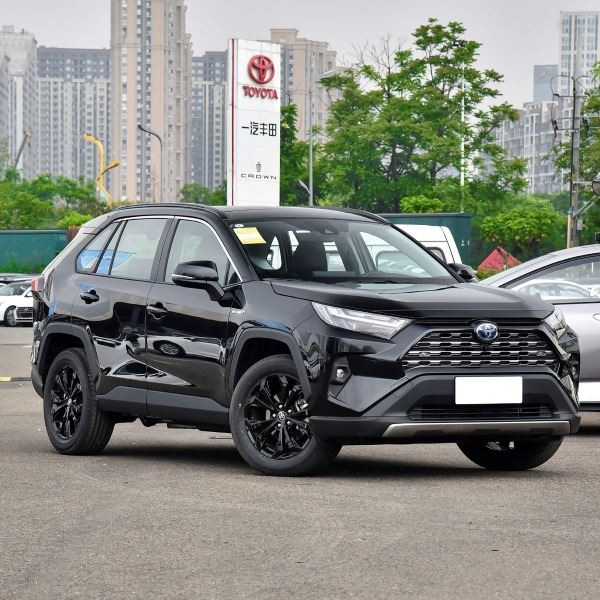
In models like the RAV 4 HYBRID, the regenerative braking system is highly efficient. As the vehicle coasts and starts to lose speed, the electric motor captures the energy that would otherwise be wasted as heat in a traditional braking system. This not only helps to recharge the battery but also extends the lifespan of the brake pads.
Power Split Device Function
The power split device plays a vital role during coasting. It ensures that the power flow within the hybrid system is optimized. If there is a need to maintain a certain speed or if the battery charge is low, the power split device can direct a small amount of power from the battery to the electric motor to keep the vehicle moving smoothly.
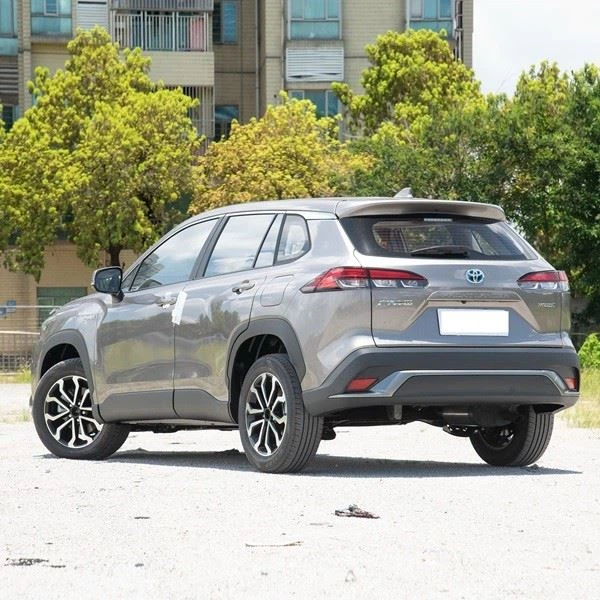
For instance, in the TOYOTA FRONTLANDER, the power split device constantly monitors the vehicle's speed, battery state of charge, and road conditions. During coasting on a slight incline, it can transfer power from the battery to the electric motor to prevent the vehicle from slowing down too quickly.
Benefits of the Hybrid System's Operation During Coasting
The way Toyota's hybrid system operates during coasting offers several benefits.
Fuel Efficiency
By shutting down the engine and capturing energy through regenerative braking, the vehicle significantly reduces fuel consumption. This is especially beneficial in urban driving conditions where coasting is a common occurrence. Drivers can enjoy longer distances on a single tank of gas, saving money and reducing their carbon footprint.
Extended Battery Life
The regenerative braking system not only charges the battery but also helps to maintain its health. By providing a steady stream of energy during coasting, the battery doesn't have to rely solely on the engine for charging. This reduces the stress on the battery and can extend its overall lifespan.
Smoother Driving Experience
The seamless operation of the power split device and the electric motor during coasting ensures a smooth and comfortable driving experience. The vehicle doesn't experience sudden jerks or changes in speed, providing a more pleasant ride for both the driver and passengers.
The Future of Toyota's Hybrid Technology During Coasting
Toyota is constantly researching and developing new technologies to further improve the efficiency of its hybrid vehicles during coasting. Future models may feature even more advanced power split devices that can predict road conditions and adjust the power flow more precisely. Additionally, the battery technology is expected to become more advanced, with higher energy density and faster charging capabilities.
Conclusion
As a supplier for Toyota hybrid vehicles, I'm constantly amazed by the ingenuity of the company's hybrid technology, especially how it operates during coasting. The combination of engine shutdown, regenerative braking, and the intelligent power split device makes Toyota's hybrid vehicles some of the most efficient on the market.
If you're interested in learning more about our products and how they can enhance the performance of Toyota hybrid vehicles, or if you're looking to start a procurement negotiation, I encourage you to reach out. We're always eager to discuss how our solutions can meet your specific needs.
References
- "Toyota Hybrid Synergy Drive: Technology and Applications" by Toyota Motor Corporation
- "Hybrid Electric Vehicles: Principles and Applications with Practical Perspectives" by James Larminie and John Lowry