

Hey there! I'm a supplier for Neta pure electric vehicles, and today I'm super stoked to dive into how the electric power steering assist works in these awesome rides.
Let's start with the basics. Electric power steering assist, or EPS for short, is a game - changer in the automotive world, especially for pure electric vehicles like Neta's. Unlike the old - school hydraulic power steering systems, EPS uses an electric motor to provide the steering assistance. This not only makes the steering feel more responsive but also offers a bunch of other benefits.
In a Neta pure electric vehicle, the EPS system is integrated seamlessly into the overall vehicle architecture. At the heart of it all is a torque sensor. This little guy is installed on the steering column. Its main job is to detect how much force you're applying to the steering wheel. When you turn the wheel, the torque sensor measures the amount of torque you're using and sends that information to the EPS control unit.
The EPS control unit is like the brain of the system. It's a computer that processes the data from the torque sensor. Based on the amount of torque you're applying, the control unit decides how much assistance the electric motor should provide. It also takes into account other factors, such as the vehicle's speed.
You see, at low speeds, like when you're parking or maneuvering in tight spaces, you need more steering assistance. That's because it's harder to turn the wheels when the car isn't moving fast. The EPS control unit recognizes this and tells the electric motor to provide more power. So, you can easily turn the steering wheel with just a light touch.
On the other hand, when you're cruising at high speeds on the highway, you don't need as much assistance. In fact, you want the steering to feel a bit firmer for better stability. The EPS control unit adjusts the assistance level accordingly, reducing the power sent to the electric motor. This gives you a more connected and confident driving experience on the open road.

Now, let's talk about the electric motor itself. In Neta pure electric vehicles, the electric motor is usually mounted either on the steering column or on the rack - and - pinion steering mechanism. When the EPS control unit sends a signal, the motor starts to rotate. This rotation is then transferred to the steering system, helping you turn the wheels.
One of the great things about EPS in Neta vehicles is its efficiency. Since the electric motor only operates when it's needed, it uses less energy compared to hydraulic systems. This is a huge advantage for pure electric vehicles, where every bit of energy conservation counts. It helps to extend the vehicle's range, which is a major concern for EV owners.
Another benefit is the reliability. There are fewer moving parts in an EPS system compared to a hydraulic one. There's no need for hydraulic fluid, hoses, or pumps, which can leak or break down over time. This means less maintenance and fewer chances of something going wrong with the steering system.
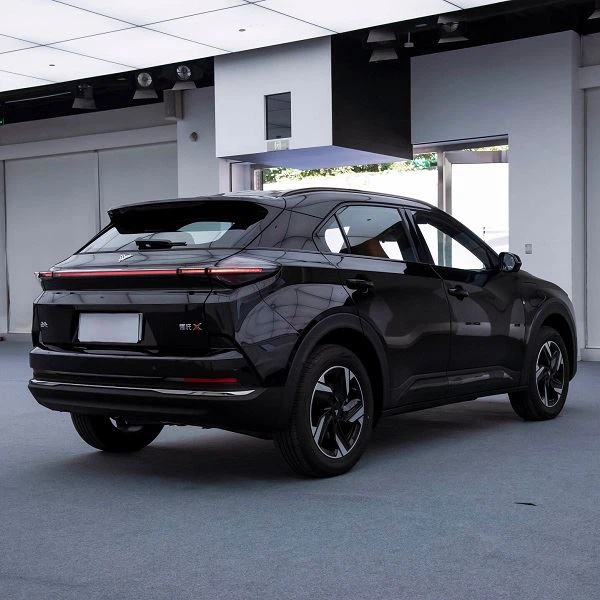
Let's take a closer look at how this all works in specific Neta models, like the NETA X. The NETA X is a great example of how Neta has perfected the EPS technology. Its EPS system is fine - tuned to provide a smooth and intuitive steering experience. Whether you're zipping through city streets or taking a long - distance trip, the steering in the NETA X responds exactly as you'd expect.
The NETA X EV SUV Model also benefits from the advanced EPS system. With its larger size and potentially heavier load, the EPS ensures that you can still handle the vehicle with ease. The variable assistance levels make it easy to navigate through different driving conditions, from off - road adventures to daily commutes.
EPS in Neta pure electric vehicles also plays a role in safety. It helps to maintain proper steering control in various situations. For example, if you encounter a sudden cross - wind on the highway, the EPS can adjust the steering assistance to keep the vehicle on course. It can also assist in emergency maneuvers, giving you better control when you need it most.
In addition, the EPS system can be integrated with other safety features in the vehicle. It can work in conjunction with the vehicle's stability control system to enhance overall safety. If the stability control system detects a loss of traction, it can communicate with the EPS to adjust the steering and help you regain control.
As a supplier, I've seen firsthand how important EPS is for Neta's success. It's not just a feature; it's a key component that enhances the driving experience, efficiency, and safety of their pure electric vehicles.
If you're in the market for a pure electric vehicle, you should definitely consider Neta. And if you're a business looking to purchase Neta vehicles in bulk, I'd love to talk to you. The EPS system in Neta pure electric vehicles is just one of the many reasons why they're a great choice. Whether you're a fleet operator or a car rental company, Neta's vehicles offer a combination of performance, efficiency, and safety that's hard to beat.
So, if you're interested in learning more about Neta pure electric vehicles and our supply options, don't hesitate to reach out. Let's start a conversation about how we can meet your vehicle needs and take your business to the next level.
References:
Automotive Engineering Handbook, McGraw - Hill
Electric Vehicle Technology Explained, John Wiley & Sons