

The braking system in a pure electric vehicle (EV) is a critical component that ensures the safety and performance of the vehicle. As a leading supplier of pure electric vehicles, we understand the importance of a reliable braking system. In this blog, we will delve into how the braking system works in a pure electric vehicle, exploring its components, operation principles, and unique features compared to traditional internal combustion engine (ICE) vehicles.
Components of the Braking System in a Pure Electric Vehicle
Brake Pedal and Master Cylinder
The brake pedal is the interface through which the driver initiates the braking process. When the driver presses the brake pedal, it applies force to the master cylinder. The master cylinder is a hydraulic pump that converts the mechanical force from the brake pedal into hydraulic pressure. This hydraulic pressure is then transmitted through the brake lines to the individual brake calipers or wheel cylinders.
Brake Lines
Brake lines are essential for transmitting the hydraulic pressure generated by the master cylinder to the brakes at each wheel. These lines are typically made of high - strength materials such as steel or reinforced rubber to withstand the high pressures involved. In a pure electric vehicle, the brake lines also need to be compatible with the vehicle's overall electrical and electronic systems.
Brake Calipers and Rotors (Disc Brakes) or Wheel Cylinders and Drums (Drum Brakes)
Most modern pure electric vehicles are equipped with disc brakes, which consist of a brake caliper and a rotor. The brake caliper contains pistons that, when actuated by the hydraulic pressure, squeeze the brake pads against the rotor. This friction between the brake pads and the rotor slows down the rotation of the wheel.
Drum brakes, on the other hand, use wheel cylinders to push brake shoes against the inside of a brake drum. While less common in high - performance and modern EVs, drum brakes are still used in some applications, especially for rear wheels in certain vehicle models.
Electronic Control Unit (ECU)
The ECU in a pure electric vehicle's braking system plays a crucial role. It monitors various sensors, such as wheel speed sensors, brake pedal position sensors, and accelerator pedal position sensors. Based on the data received from these sensors, the ECU can precisely control the braking force applied to each wheel. For example, in an anti - lock braking system (ABS), the ECU can modulate the brake pressure at each wheel to prevent wheel lock - up during hard braking.
Regenerative Braking System
One of the most significant differences between a pure electric vehicle and a traditional ICE vehicle is the presence of a regenerative braking system. This system allows the vehicle to recover energy during braking and convert it back into electrical energy, which is then stored in the vehicle's battery.
The regenerative braking system works by using the electric motor as a generator. When the driver applies the brakes or releases the accelerator pedal, the electric motor switches to generator mode. As the wheels continue to rotate, they turn the motor, which generates electricity. This electricity is then fed back into the battery, increasing the vehicle's overall energy efficiency.
Operation Principles of the Braking System
Normal Braking
When the driver presses the brake pedal in a pure electric vehicle, the braking process starts with the mechanical input from the pedal. The master cylinder generates hydraulic pressure, which is sent through the brake lines to the brake calipers or wheel cylinders. At the same time, the ECU receives signals from the brake pedal position sensor.
If the vehicle is equipped with regenerative braking, the ECU first commands the electric motor to start generating electricity and applying a braking torque to the wheels. This regenerative braking force is proportional to the driver's input on the brake pedal. As the vehicle slows down, if additional braking force is required, the hydraulic braking system kicks in to provide the necessary stopping power.
Anti - lock Braking System (ABS)
The ABS in a pure electric vehicle works in a similar way to that in an ICE vehicle. When the ECU detects that a wheel is about to lock up during braking, it rapidly modulates the brake pressure at that wheel. This is achieved by opening and closing solenoid valves in the brake hydraulic system. By preventing wheel lock - up, the ABS helps the driver maintain steering control of the vehicle, especially on slippery surfaces.

Electronic Stability Control (ESC)
ESC is another important safety feature in a pure electric vehicle's braking system. The ESC system uses sensors to monitor the vehicle's yaw rate, lateral acceleration, and steering angle. If the system detects that the vehicle is starting to skid or lose control, it can selectively apply the brakes to individual wheels and adjust the engine torque (in the case of a hybrid electric vehicle with an engine or adjust the electric motor torque in a pure EV) to help the driver regain control.
Unique Features of the Braking System in Pure Electric Vehicles
Energy Recovery
As mentioned earlier, the regenerative braking system in a pure electric vehicle allows for energy recovery. This not only increases the vehicle's range but also reduces wear and tear on the traditional friction brakes. Since the regenerative braking system can provide a significant portion of the braking force during normal driving conditions, the friction brakes are used less frequently, resulting in longer brake pad and rotor life.
Quiet Operation
Pure electric vehicles are known for their quiet operation, and this extends to the braking system. The regenerative braking process is almost silent, and even when the hydraulic brakes are engaged, the overall noise level is generally lower compared to ICE vehicles. This is due to the absence of engine noise and the more precise control of the braking system in EVs.
Integration with Vehicle Electronics
The braking system in a pure electric vehicle is highly integrated with the vehicle's overall electrical and electronic systems. The ECU can communicate with other systems, such as the battery management system and the traction control system, to optimize the vehicle's performance and safety. For example, the ECU can adjust the regenerative braking force based on the state of charge of the battery.
Examples of Pure Electric Vehicles with Advanced Braking Systems
Volkswagen Sedan ID7
The Volkswagen Sedan ID7 is a prime example of a pure electric vehicle with an advanced braking system. It combines regenerative braking with traditional hydraulic braking to provide a smooth and efficient braking experience. The vehicle's ECU precisely controls the balance between regenerative and hydraulic braking, ensuring maximum energy recovery while maintaining excellent stopping power.
Frigate 07 Large five - seater plug - in hybrid SUV
The Frigate 07 Large five - seater plug - in hybrid SUV also features a sophisticated braking system. In addition to regenerative braking, it has advanced ABS and ESC systems that enhance the vehicle's safety and handling. The braking system in the Frigate 07 is designed to work seamlessly with the vehicle's hybrid powertrain, providing optimal performance in both electric and hybrid driving modes.
BYD Motors Electric Car
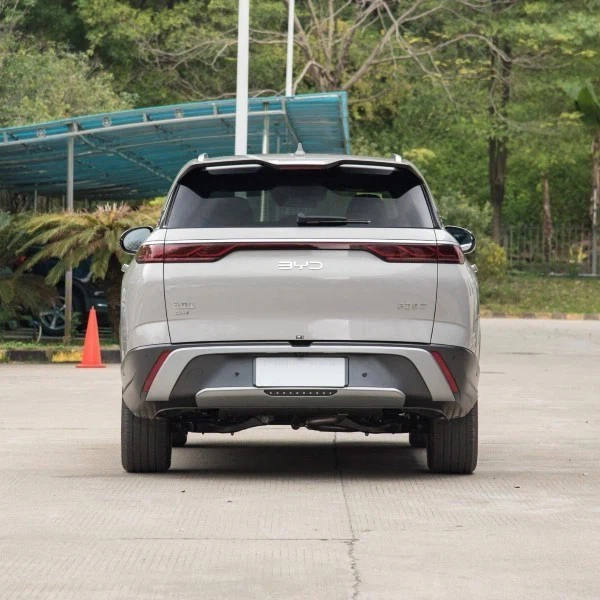
The BYD Motors Electric Car is known for its innovative braking technology. It uses a highly efficient regenerative braking system that can recover a large amount of energy during braking. The vehicle's braking system is also integrated with its intelligent driving assistance systems, providing additional safety features such as automatic emergency braking.
Contact for Procurement and洽谈
If you are interested in learning more about our pure electric vehicles and their advanced braking systems, or if you are looking to procure our products for your business, we invite you to reach out to us. Our team of experts is ready to provide you with detailed information and support throughout the procurement process. Whether you are an automotive dealer, a fleet operator, or an individual looking for a high - quality pure electric vehicle, we have the solutions to meet your needs.
References
- Bosch, "Automotive Braking Systems," Bosch Automotive Handbook, 2018.
- SAE International, "Electric and Hybrid Vehicle Technology," SAE Technical Papers, 2020.
- Tesla, "Tesla Vehicle Safety and Braking Systems," Tesla Technical Documentation, 2021.