

As a supplier of BYD plug-in vehicles, I am often asked whether BYD plug-in vehicles are equipped with autonomous driving features. This question not only reflects the growing interest in autonomous driving technology but also the increasing demand for intelligent and high-tech vehicles. In this blog, I will delve into this topic, exploring the current state of autonomous driving in BYD plug-in vehicles and what the future may hold.
The Current Landscape of Autonomous Driving in BYD Plug-in Vehicles
BYD, a leading player in the electric vehicle market, has been actively investing in autonomous driving technology. While not all BYD plug-in vehicles come with full-fledged autonomous driving capabilities, many models are equipped with advanced driver assistance systems (ADAS) that lay the foundation for future autonomous driving.
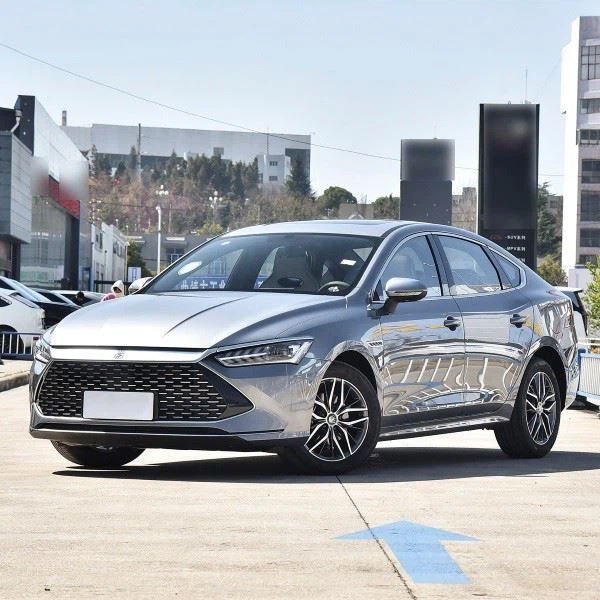
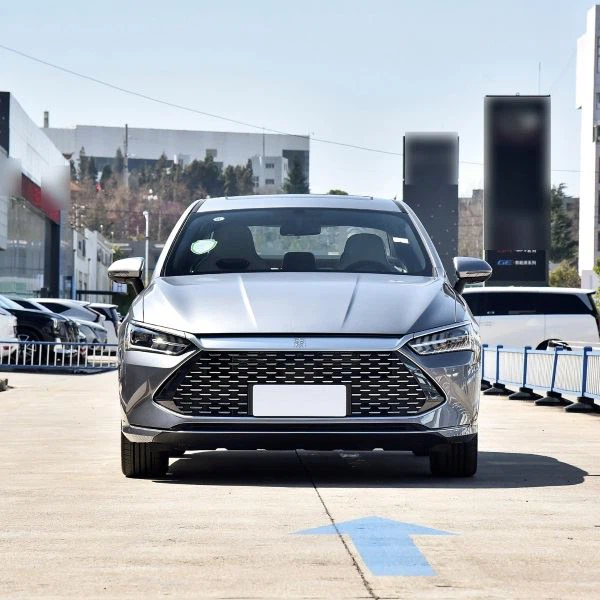
For instance, the 2025 TANG DM-I Plug-in Hybrid 115km is one of the models that showcase BYD's commitment to integrating smart technologies. It features a range of ADAS functions such as adaptive cruise control (ACC), which automatically adjusts the vehicle's speed to maintain a safe distance from the vehicle ahead. This system uses sensors, typically radar and cameras, to detect the distance and relative speed of the leading vehicle. When the road ahead clears, the vehicle will resume its pre-set speed.
Another important ADAS feature in some BYD plug-in vehicles is lane-keeping assist (LKA). This system helps the driver stay within the lane by gently steering the vehicle if it starts to drift out of the lane without the use of a turn signal. LKA uses cameras to detect the lane markings on the road and provides corrective steering input when necessary. This not only enhances safety but also reduces driver fatigue during long journeys.
In addition to ACC and LKA, BYD plug-in vehicles may also be equipped with forward collision warning (FCW) and automatic emergency braking (AEB). FCW uses sensors to detect potential frontal collisions and alerts the driver through visual and auditory signals. If the driver fails to respond in time, AEB can automatically apply the brakes to avoid or mitigate the impact of the collision. These features are designed to enhance the safety of both the vehicle occupants and other road users.
The Technology Behind BYD's Autonomous Driving Efforts
BYD's approach to autonomous driving is based on a combination of hardware and software technologies. On the hardware side, the company uses a variety of sensors, including cameras, radar, and ultrasonic sensors, to perceive the surrounding environment. Cameras provide high-resolution images of the road, traffic signs, and other vehicles, while radar is used to measure the distance and speed of objects. Ultrasonic sensors are mainly used for parking assistance and detecting objects in close proximity.
In terms of software, BYD has developed its own algorithms for processing the sensor data and making decisions. These algorithms are continuously updated and improved through machine learning and artificial intelligence techniques. By analyzing large amounts of data collected from real-world driving scenarios, the algorithms can learn to recognize different objects, predict their behavior, and make appropriate driving decisions.
However, achieving full autonomous driving is a complex and challenging task that requires not only advanced technology but also compliance with strict safety and regulatory standards. BYD is working closely with regulatory authorities and industry partners to ensure that its autonomous driving technology meets the highest safety requirements.
The Benefits of Autonomous Driving Features in BYD Plug-in Vehicles
The integration of autonomous driving features in BYD plug-in vehicles brings several benefits. Firstly, it enhances safety on the roads. ADAS features such as FCW and AEB can help prevent accidents by alerting the driver and taking corrective actions in critical situations. This can reduce the number of collisions and save lives.
Secondly, autonomous driving features can improve the driving experience. ACC and LKA can reduce driver fatigue, especially during long trips on highways. The vehicle can automatically adjust its speed and stay within the lane, allowing the driver to relax and focus more on the overall driving situation.
Moreover, autonomous driving technology can contribute to the development of smart cities. With the ability to communicate with other vehicles and infrastructure, autonomous vehicles can optimize traffic flow, reduce congestion, and lower emissions. As BYD plug-in vehicles are already environmentally friendly, the addition of autonomous driving features further enhances their sustainability.
Future Prospects for Autonomous Driving in BYD Plug-in Vehicles
Looking ahead, BYD is expected to continue its investment in autonomous driving technology and gradually introduce more advanced features in its plug-in vehicles. The company has set ambitious goals for the development of autonomous driving, aiming to achieve higher levels of automation in the coming years.
In the near future, we may see the introduction of more sophisticated ADAS features in BYD plug-in vehicles. For example, level 3 autonomous driving, which allows the vehicle to handle most driving tasks under certain conditions but still requires the driver to be ready to take over when necessary, may become available. This would enable the vehicle to perform tasks such as lane changes and overtaking on highways without direct driver input.
In the long term, BYD may strive to achieve full autonomous driving (level 5), where the vehicle can operate without any human intervention in all driving scenarios. However, this will require significant technological breakthroughs, as well as the establishment of a comprehensive regulatory framework.
Pricing and Availability
If you are interested in purchasing a BYD plug-in vehicle with autonomous driving features, you can refer to Plug-in Car Prices for detailed pricing information. The cost of vehicles with advanced ADAS features may be slightly higher than those without, but the added safety and convenience are well worth the investment.
The availability of autonomous driving features may vary depending on the model and trim level of the BYD plug-in vehicle. Some features may be standard on certain models, while others may be available as optional extras. It is recommended to consult with a BYD dealer or visit the official website for the most up-to-date information on feature availability.
Conclusion
In conclusion, while not all BYD plug-in vehicles are fully autonomous, many models are equipped with advanced driver assistance systems that provide a glimpse into the future of autonomous driving. These features enhance safety, improve the driving experience, and contribute to the development of smart and sustainable transportation.
As a supplier of BYD plug-in vehicles, I am excited about the potential of autonomous driving technology and its impact on the automotive industry. If you are interested in learning more about BYD plug-in vehicles with autonomous driving features or are considering a purchase, I encourage you to reach out for a detailed discussion. We can explore the available models, features, and pricing options to find the best fit for your needs.
References
- BYD official website
- Industry reports on autonomous driving technology
- Research papers on advanced driver assistance systems