

As a long - standing supplier for Xiaomi's pure - electric vehicles, I've had the privilege of delving deep into the intricate details of their power distribution systems. In this blog, I'll share my insights on what makes Xiaomi's power distribution system in their electric vehicles truly remarkable.
The Basics of a Power Distribution System in Electric Vehicles
Before we explore Xiaomi's system, let's briefly understand the fundamental role of a power distribution system in an electric vehicle. In essence, it serves as the nerve center that manages and directs the flow of electrical power from the battery to various components throughout the vehicle. This includes the electric motor, which propels the car, as well as auxiliary systems like lighting, climate control, and the infotainment system.
A well - designed power distribution system is crucial for several reasons. Firstly, it ensures the efficient use of energy, which directly impacts the vehicle's range. Secondly, it enhances safety by protecting components from over - current, over - voltage, and short - circuits. Lastly, it contributes to the overall reliability and performance of the vehicle.
Xiaomi's Approach to Power Distribution
Xiaomi has adopted a highly innovative and intelligent approach to power distribution in its pure - electric vehicles. At the heart of their system is a state - of - the - art Battery Management System (BMS). The BMS is responsible for monitoring and controlling the battery's charging and discharging processes. It continuously measures parameters such as voltage, current, and temperature of each battery cell. By doing so, it can optimize the battery's performance, extend its lifespan, and prevent potential safety hazards.
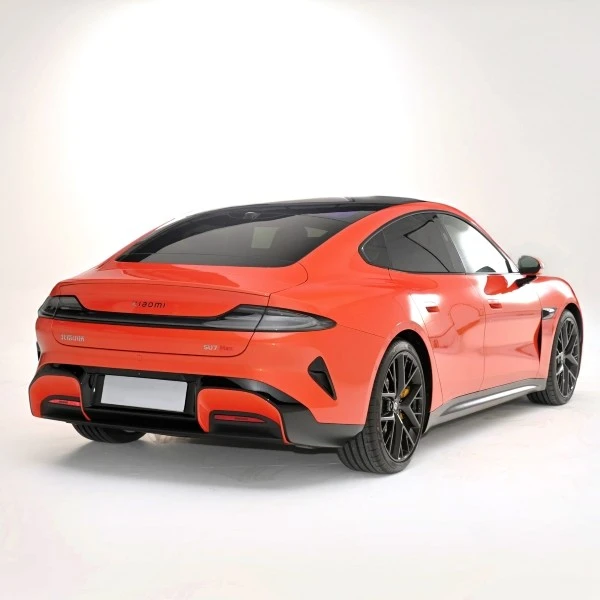

In addition to the BMS, Xiaomi's power distribution system utilizes advanced power electronics. These components, including inverters and DC - DC converters, play a vital role in converting and regulating the electrical power. The inverter, for example, converts the direct current (DC) from the battery into alternating current (AC) to power the electric motor. Meanwhile, the DC - DC converter steps down the high - voltage DC from the battery to a lower voltage suitable for the vehicle's auxiliary systems.
Energy Efficiency and Range Optimization
One of the key goals of Xiaomi's power distribution system is to maximize energy efficiency and, consequently, the vehicle's range. To achieve this, the system employs a sophisticated energy management strategy. It uses real - time data from various sensors to adjust the power flow based on the driving conditions. For instance, during city driving with frequent stops and starts, the system can reduce the power consumption of non - essential components to conserve energy.
Moreover, Xiaomi's vehicles are equipped with regenerative braking technology. When the driver applies the brakes, the electric motor acts as a generator, converting the kinetic energy of the moving vehicle back into electrical energy. This energy is then fed back into the battery, effectively extending the vehicle's range. The power distribution system seamlessly manages this process, ensuring that the regenerated energy is efficiently stored in the battery.
Safety Features
Safety is of utmost importance in any vehicle, and Xiaomi's power distribution system is no exception. The system is equipped with multiple layers of safety protection. The BMS includes built - in safety mechanisms such as over - charge and over - discharge protection. In the event of an abnormal condition, the BMS can automatically cut off the power supply to prevent damage to the battery.
Furthermore, the power electronics components are designed with safety in mind. They are built with short - circuit protection and over - temperature protection features. In case of a short - circuit or over - heating, these components can quickly isolate the faulty circuit to prevent further damage and ensure the safety of the vehicle and its occupants.
Compatibility with Different Vehicle Models
Xiaomi's power distribution system is designed to be highly flexible and compatible with different vehicle models. Whether it's a sedan or an SUV, the system can be easily customized to meet the specific power requirements of each model. This flexibility allows Xiaomi to quickly adapt to different market demands and expand its product lineup.
For example, the power distribution system in the Xiaomi sedan models may be optimized for a more streamlined and efficient power flow to enhance the vehicle's performance and range. On the other hand, the system in the SUV models may be adjusted to handle the additional power requirements of larger and heavier vehicles. You can find more information about the pricing of these models on the following links: XIAOMI Sedan EV Price and XIAOMI SU7 EV Price.
Integration with the Vehicle's Overall System
Xiaomi's power distribution system is not an isolated component but is fully integrated with the vehicle's overall system. It communicates seamlessly with other systems such as the vehicle's on - board computer, sensors, and actuators. This integration allows for a more coordinated and efficient operation of the vehicle.
For example, the power distribution system can receive information from the vehicle's navigation system. If the navigation system indicates that the vehicle is approaching a hilly area, the power distribution system can pre - adjust the power flow to ensure that the vehicle has sufficient power to climb the hill without draining the battery excessively.
Future Developments
As the electric vehicle industry continues to evolve, Xiaomi is constantly investing in research and development to further improve its power distribution system. Future developments may include the integration of more advanced artificial intelligence and machine learning algorithms. These technologies can enable the power distribution system to learn from the driver's behavior and driving patterns, and make more intelligent power management decisions.
In addition, Xiaomi may explore the use of new materials and technologies in its power electronics components. For example, the use of wide - bandgap semiconductors such as silicon carbide (SiC) can significantly improve the efficiency and performance of the inverters and DC - DC converters.
Comparison with Other Brands
When compared to other brands in the market, Xiaomi's power distribution system stands out for its combination of innovation, intelligence, and cost - effectiveness. Many other brands may focus on high - end performance, but Xiaomi has managed to strike a balance between performance and affordability. Their vehicles offer competitive range and performance at a relatively lower price point, making them an attractive option for a wider range of consumers. You can find more information about affordable electric cars in 2022 on this link: Affordable Electric Cars 2022.
Conclusion
In conclusion, Xiaomi's power distribution system in its pure - electric vehicles is a testament to the company's commitment to innovation and excellence. It combines advanced technologies, intelligent energy management, and robust safety features to deliver a high - performance and reliable driving experience.
As a supplier, I'm proud to be part of Xiaomi's journey in the electric vehicle industry. I believe that their innovative approach to power distribution will not only benefit the consumers but also contribute to the wider adoption of electric vehicles.
If you're interested in learning more about Xiaomi's pure - electric vehicles or are considering a partnership for procurement, please feel free to reach out. We're always open to discussing potential business opportunities and exploring how we can work together to drive the future of electric mobility.
References
- Industry reports on electric vehicle power distribution systems
- Technical documentation from Xiaomi regarding their electric vehicle technology
- Research papers on energy efficiency and safety in electric vehicles